
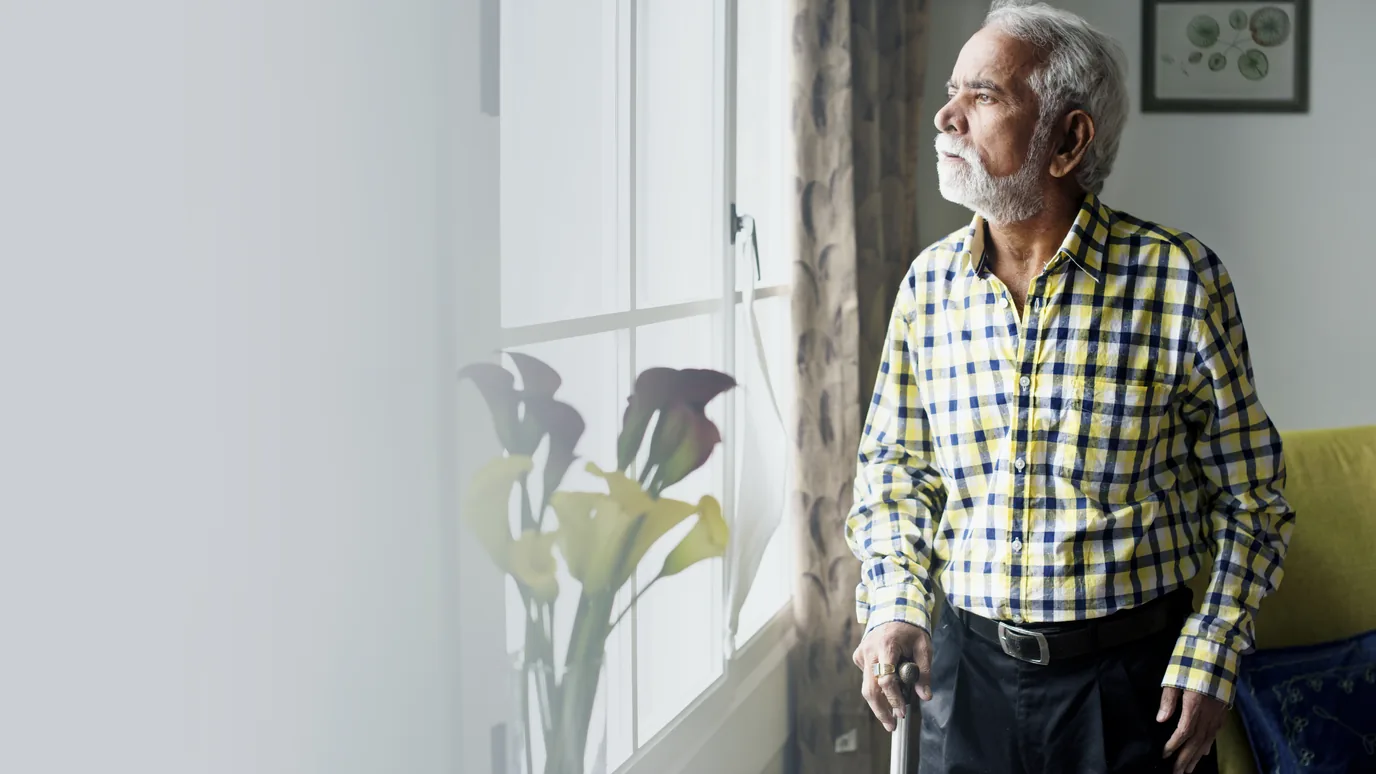
"Doctor, I can walk to the temple, but halfway back my legs become heavy and I have to sit on the steps." I hear some version of this almost every week. It is one of the most typical stories of lumbar canal stenosis, a narrowing of the spinal canal in the lower back. I am Dr. Praveen Goparaju, a spine surgeon in Hyderabad, and in this article I explain what lumbar spinal stenosis surgery involves, when it is the right step, the different ways it can be done, when a fusion is added, and what recovery looks like, especially for older patients and people with diabetes.
What is lumbar spinal stenosis?
The nerves that run to your legs travel down through a tunnel in the spine called the spinal canal. In the lower back, this tunnel is surrounded by the backs of the vertebrae, the discs in front, the small facet joints at the sides and a thick ligament at the back.
With age, three things slowly happen together. The discs wear and bulge a little. The facet joints thicken with arthritis and grow small bony spurs. The ligament at the back of the canal becomes thick and stiff. Each change is small, but together they narrow the tunnel and squeeze the nerves inside it. This is lumbar spinal stenosis.
It is most common after the age of fifty, but it can appear earlier in people born with a slightly narrow canal, or when one vertebra has slipped forward (spondylolisthesis).
Symptoms: the walking-distance pattern
The classic sign of stenosis is leg pain that depends on posture and walking. Standing straight narrows the canal a little more, and bending forward opens it. That is why many people with stenosis notice that:
- their legs ache, feel heavy, burn or tingle after walking a certain distance,
- the distance they can walk is slowly getting shorter, from a kilometre to a few hundred metres to one street,
- sitting down or bending forward eases the legs within a few minutes,
- they walk more comfortably leaning on a shopping trolley or a walking stick,
- standing in a queue or in the kitchen for long is harder than walking slowly,
- the back may ache, but the legs are often the bigger complaint.
Doctors call this neurogenic claudication. Poor blood flow to the legs, more common in smokers and people with diabetes, can feel similar, but that pain usually eases on simply standing still and the foot pulses may be weak. A proper examination, and sometimes a blood-flow test, tells them apart.
Non-surgical care comes first
Most people with lumbar stenosis do not need surgery straight away, and many never need it. The narrowing itself does not usually become dangerous overnight. What matters is how much it limits your life. Non-surgical care often helps:
- Medicines for pain and nerve pain, for short periods, as advised by your doctor.
- Physiotherapy that strengthens the core and hips and teaches positions that open the canal, such as gentle forward-bending exercises.
- Staying active with walking in short, regular bouts, or cycling on a stationary cycle, which many stenosis patients find easier because the body leans forward.
- Weight control, because extra weight adds load to the lower back.
- Nerve root or epidural injections, which can calm leg pain for a period and make physiotherapy easier.
You can read more about these options on our pain management services page.
When is lumbar spinal stenosis surgery advised?
Surgery is worth discussing when:
- walking distance keeps shrinking despite several months of good non-surgical care,
- leg pain stops you from daily activities you value, such as going to the market, walking in the park or travelling,
- there is weakness in the legs, such as foot drop or difficulty climbing steps,
- the MRI clearly shows narrowing at the level that matches your symptoms.
Rarely, severe narrowing causes numbness in the private-part area or loss of bladder or bowel control. This is an emergency and needs surgery urgently.
The aim of lumbar spinal stenosis surgery is mainly to relieve leg pain and improve how far you can walk. Back pain from long-standing arthritis may improve too, but it is less predictable, and I explain this clearly before surgery.
How decompression surgery works
The main operation for stenosis is decompression, which simply means giving the nerves more room. The surgeon removes the thickened ligament, bony spurs and part of the bone at the back of the canal that are squeezing the nerves. Nothing is added; tissue is removed to widen the tunnel.
There are several ways to do this:
| Procedure | What it involves |
|---|---|
| Laminectomy | Removes the back part of the vertebra (the lamina) and the thick ligament to open the canal widely. |
| Laminotomy | Removes only a small window of bone on one or both sides, keeping more of the normal structure. |
| Microscopic decompression | Done through a small cut with an operating microscope, which magnifies and lights up the nerves. Often both sides can be freed from one side. |
| Endoscopic decompression | Done through a very small cut using a thin camera (endoscope), for suitable patients and levels. |
Microscopic and endoscopic decompression disturb the back muscles less and often allow walking within hours. They are not suitable for every pattern of narrowing, especially when several levels are severely affected. My page on spinal stenosis treatment explains the options further, and where suitable, intraoperative neuromonitoring and navigation are used to help protect the nerves.
When a fusion is added
Decompression alone is enough for many people. A fusion, in which two vertebrae are joined with screws and allowed to heal into one bone, is added when the narrowed level is also unstable. Common reasons include:
- a vertebra that has slipped forward (degenerative spondylolisthesis) and moves on bending X-rays,
- a curve in the lower back (degenerative scoliosis) with narrowing at the bend,
- when freeing the nerves properly would need so much bone removal that the level could become loose,
- narrowing that has returned at a level that was operated on before.
If you have a slip, our page on spondylolisthesis treatment explains how decompression with fusion, often through a minimally invasive approach for suitable patients, frees the nerves and steadies the spine. A fusion makes the operation and recovery a little longer, so I add it only when the X-rays and MRI show that it is needed.
Recovery after stenosis surgery
After a decompression without fusion, recovery is usually quick:
- The same day or next morning. You are helped to walk. Many patients notice that the leg heaviness has eased, though some tingling or numbness can take weeks or months to fade.
- Going home. Often within one to three days, once you are walking safely.
- The first few weeks. Short, frequent walks, increasing a little each day. Avoid heavy lifting and long journeys on a two-wheeler.
- Four to six weeks. Physiotherapy to rebuild strength and posture. Many people return to light work or normal household activities.
If a fusion was added, recovery is slower, with more care around bending and lifting for the first two to three months while the bone heals.
Contact your surgeon early if you develop fever, wound redness or discharge, new leg weakness, calf swelling or any change in bladder or bowel control.
Older patients and people with diabetes

Many stenosis patients are in their sixties, seventies or eighties, and families often ask whether surgery is safe "at this age". Age alone is not a reason to avoid surgery. What matters more is general health: the heart, lungs, kidneys, blood sugar and bone strength. These are checked carefully before surgery, often with a physician or cardiologist. A smaller, minimally invasive decompression is often well suited to older patients.
Diabetes deserves special mention. It is very common in Telangana and Andhra Pradesh, and it affects spine care in three ways:
- Diabetic nerve damage can cause similar symptoms. Burning feet and numbness from diabetes can sit alongside stenosis. Surgery helps the part caused by nerve squeezing in the spine, not the part caused by diabetic nerve damage, so it is important to separate the two before deciding.
- Blood sugar control affects healing. Well-controlled sugars lower the risk of wound infection and help bone heal if a fusion is done. Your HbA1c and daily readings are checked and improved before planned surgery.
- Walking after surgery helps sugar control. Once leg pain improves and you can walk further, regular walking also helps keep your diabetes in check.
When to see a spine surgeon
Please book a consultation if:
- your legs become heavy, painful or numb after walking and ease when you sit,
- the distance you can walk is getting shorter,
- you need to lean on a trolley or stick to walk comfortably,
- you have weakness in a leg or foot, or trip more often,
- injections or physiotherapy have not helped for several months.
Go to an emergency department straight away if back or leg pain comes with numbness in the private-part area, sudden leg weakness, or loss of bladder or bowel control.
I see patients from across Hyderabad, Telangana and Andhra Pradesh at CARE Hospitals, HITEC City and DIA Clinics, Kokapet. You can also book a consultation.
Frequently asked questions
When is lumbar spinal stenosis surgery needed? Surgery is considered when leg pain or heaviness keeps limiting your walking despite several months of good non-surgical care, or when there is leg weakness.
Why do my legs hurt when I walk but feel better when I sit? Standing straight narrows the spinal canal and squeezes the nerves, while sitting or bending forward opens it, which is typical of lumbar stenosis.
Is endoscopic decompression possible for spinal stenosis? Yes, for suitable patients and levels, the narrowing can be relieved through a very small cut using an endoscope.
Will I need screws or a fusion? Not always; a fusion is added only when the narrowed level is also unstable or slipped, and many people need decompression alone.
Is stenosis surgery safe for people over seventy? Age alone does not rule out surgery, and a spine surgeon such as Dr. Praveen Goparaju checks your general health, sugars and heart before advising it.