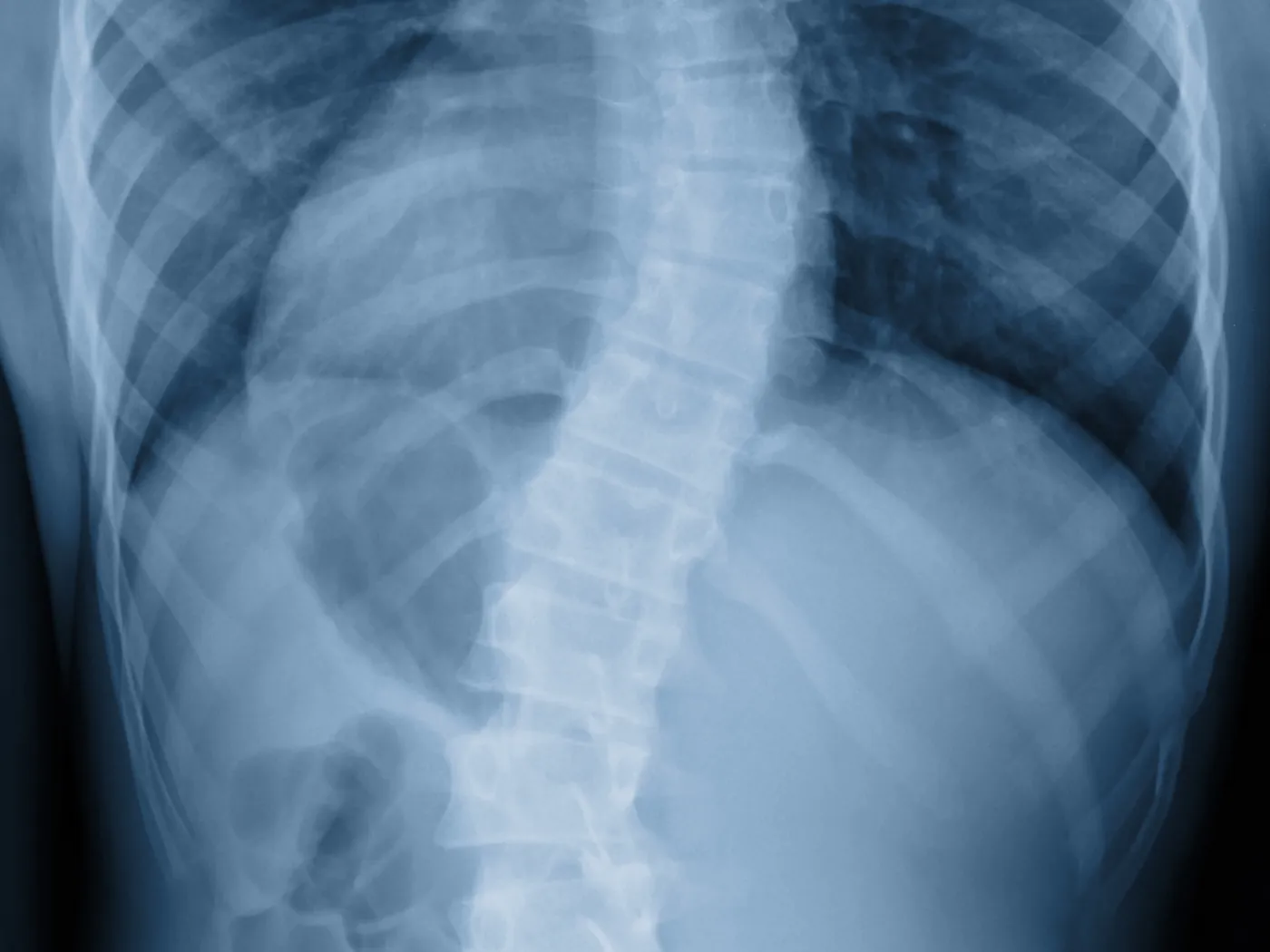
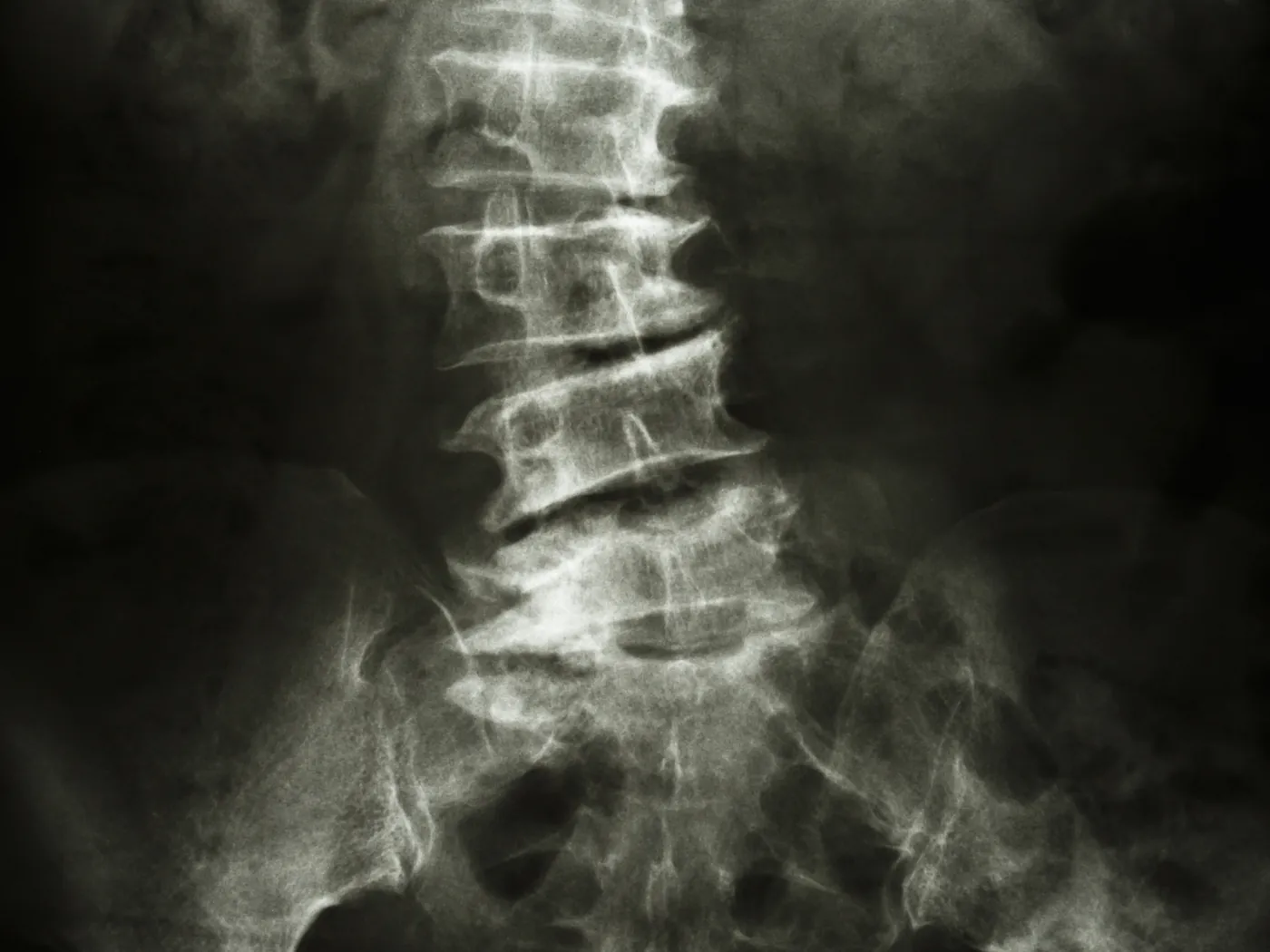
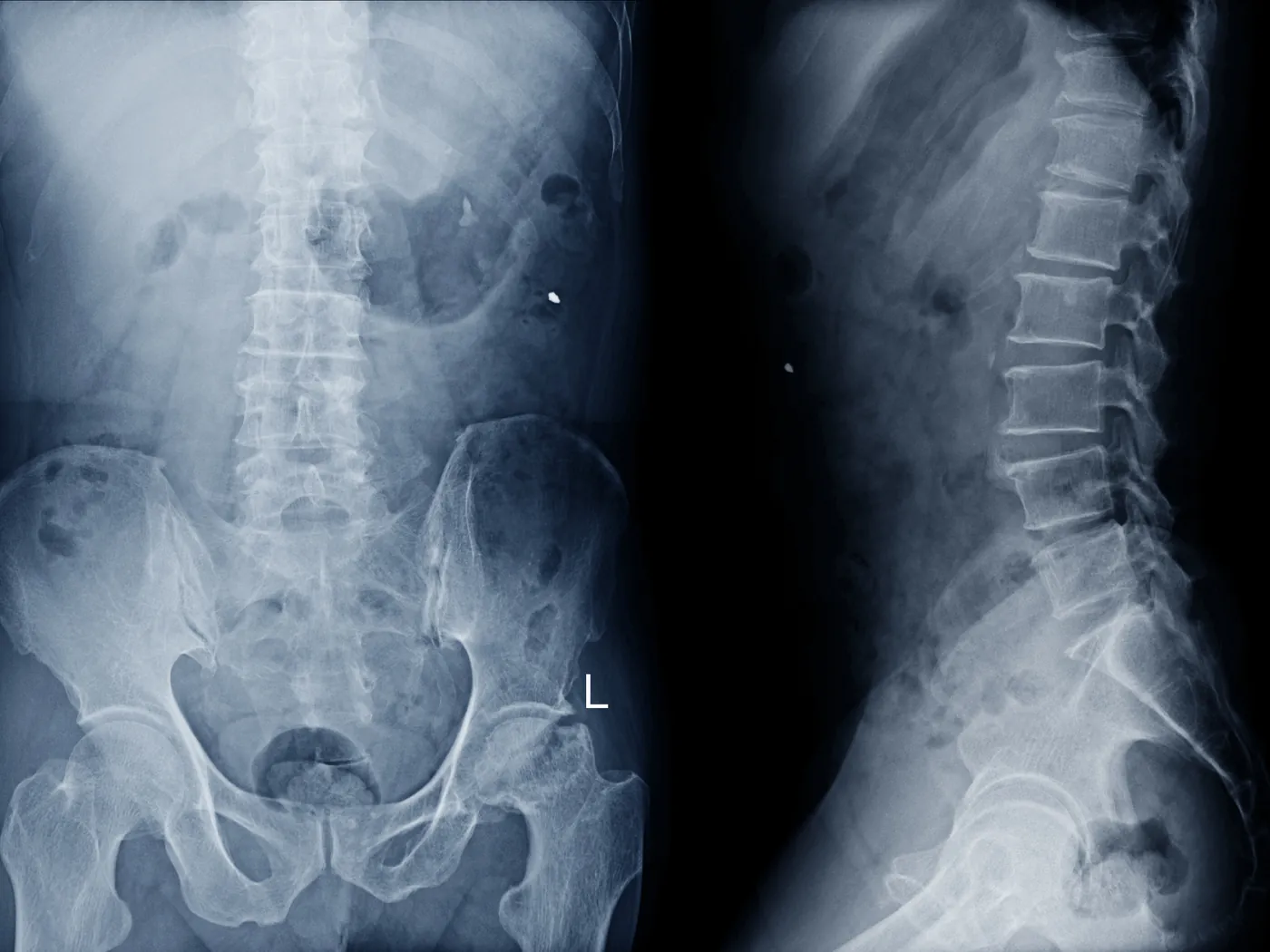
Spinal deformities such as scoliosis and kyphosis can affect posture, breathing, nerves and confidence. Treatment aims to restore alignment and function.
Spinal deformities can be present from birth (congenital), appear during growth (developmental) or come with age (degenerative). They can also follow an injury or earlier surgery.
Common signs are a visible curve, uneven shoulders or hips, imbalance, pain and difficulty standing straight.
Conditions it covers
Scoliosis: a sideways curve
Kyphosis: forward rounding of the upper back
Lordosis: an excessive inward curve of the lower back
Deformity after injury or earlier surgery
02
Is this for you?
You may benefit from an assessment if you have:
A visible curve or hump
Uneven shoulders or hips
Imbalance or leaning
Back pain or restricted movement
03
How it is assessed
A physical examination, full-spine X-rays and 3D imaging, a neurological evaluation and a review of medical and surgical history.
Physical examination
Full-spine X-rays and 3D imaging
Neurological evaluation
Medical and surgical history
04
Treatment options
Non-surgical options come first. Surgery is advised only when it is likely to help.
Non-surgicalObservation, bracing and physiotherapyMany curves, especially smaller ones, are watched or treated without surgery.
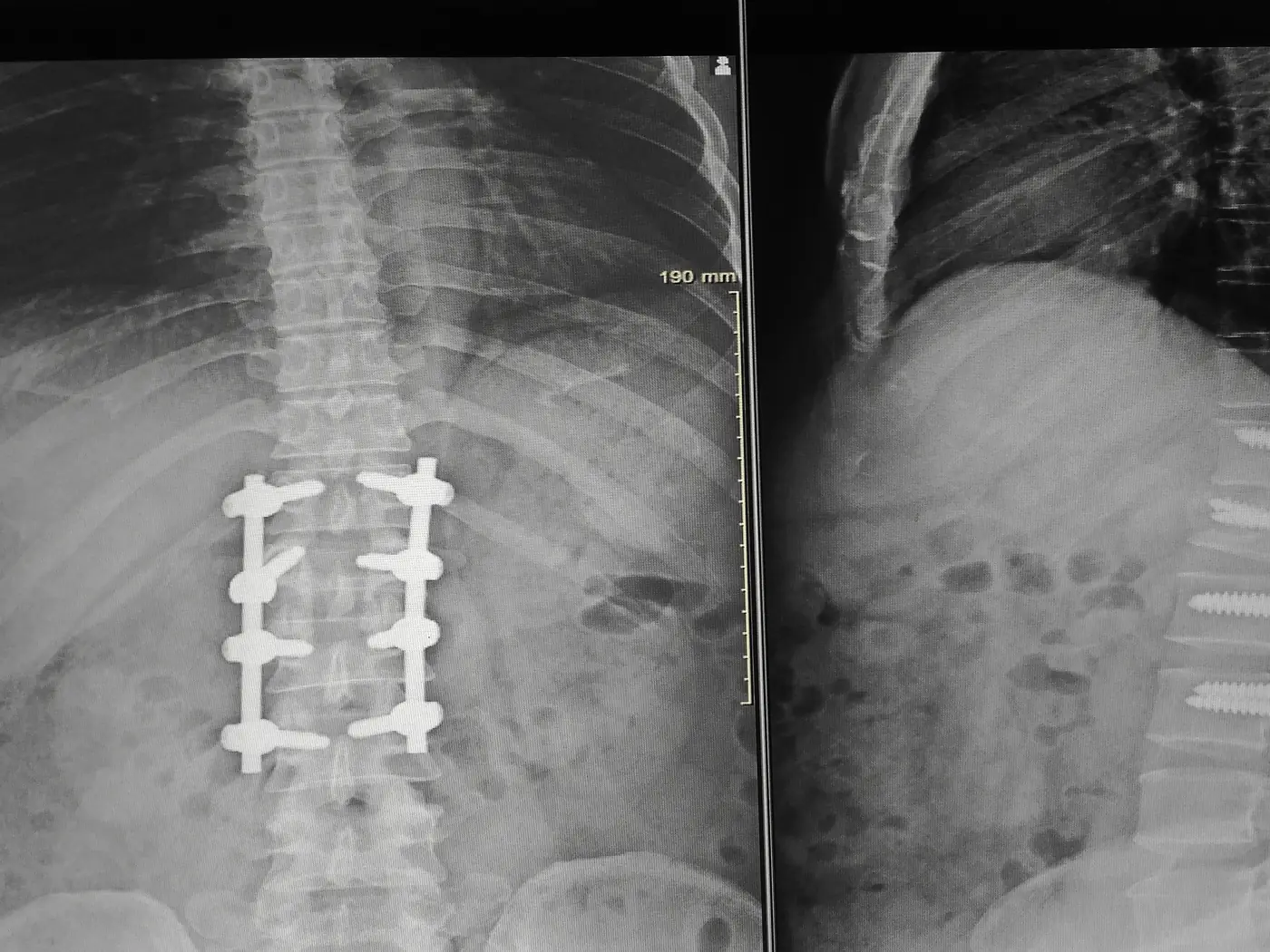
SurgicalRealignment with rods and screwsCorrects and holds the spine in a better position.
SurgicalOsteotomyReshapes abnormal bone to allow correction.
SurgicalSpinal fusionStabilises the corrected segments.
After treatment, the team builds a recovery plan around you.
1Customised rehabilitation
2Pain management and physiotherapy
3Posture exercises
4Regular follow-up
06
Why Dr. Praveen
MBBS, M.S. Orthopaedics (NIMS) and four spine fellowships: FASSI (Mumbai), FMISSAB (Chennai), FAO (New Delhi), FAPSS (Malaysia).
12+ years in spine surgery; consults at CARE Hospitals, HITEC City and DIA Clinics, Kokapet.
Honest advice first: non-surgical care is tried whenever it can help, and surgery is advised only when it is likely to help.
Uses intraoperative neuromonitoring and navigation in spine surgery, where suitable, to protect the nerves and place implants accurately.
Fellowship training in spinal deformity (FAPSS, Malaysia).
07
What patients say
Google reviews from patients who mention this kind of problem. See all reviews →
MrudhulaNov 2025
★★★★★
My mother had scoliosis since childhood and recently started having more pain and difficulty walking. We consulted Dr. Praveen Goparaju. He explained about deformity correction surgery in very simple terms. We trusted him and went ahead. The surgery changed her life. Her posture improved, and she feels confident again. We are forever grateful to him.
Harshit nayakNov 2025
★★★★★
After an accident, I had deformity and constant back pain. I lost hope until I visited DIA Clinic. Dr. Praveen suggested deformity correction surgery. He gave us full confidence. After surgery, my back shape improved and I can now stand straight without pain. He is truly a life-changer.
Sreenidhi Nagulapally2025
★★★★★
My teenage daughter had scoliosis, and we were worried about her future. Another doctor referred us to Dr. Praveen at Dia Clinic. He examined her in detail and clearly explained everything about the surgery and the corrective procedure. We went ahead with the surgery performed by Dr. Praveen Goparaju. After the procedure, she is doing very well, and her posture has been completely corrected. Thank you.
08
Questions
Does every scoliosis need surgery?
No. Many curves only need regular checks, a brace (in growing children) or physiotherapy. Surgery is considered for larger or worsening curves, or when there is pain or nerve trouble.
Can a child's curve get worse?
A curve can increase during growth spurts, which is why children with scoliosis are checked regularly with X-rays.
What is kyphosis?
An exaggerated forward rounding of the upper back. It can come from posture, wedge-shaped vertebrae, fractures or other conditions.