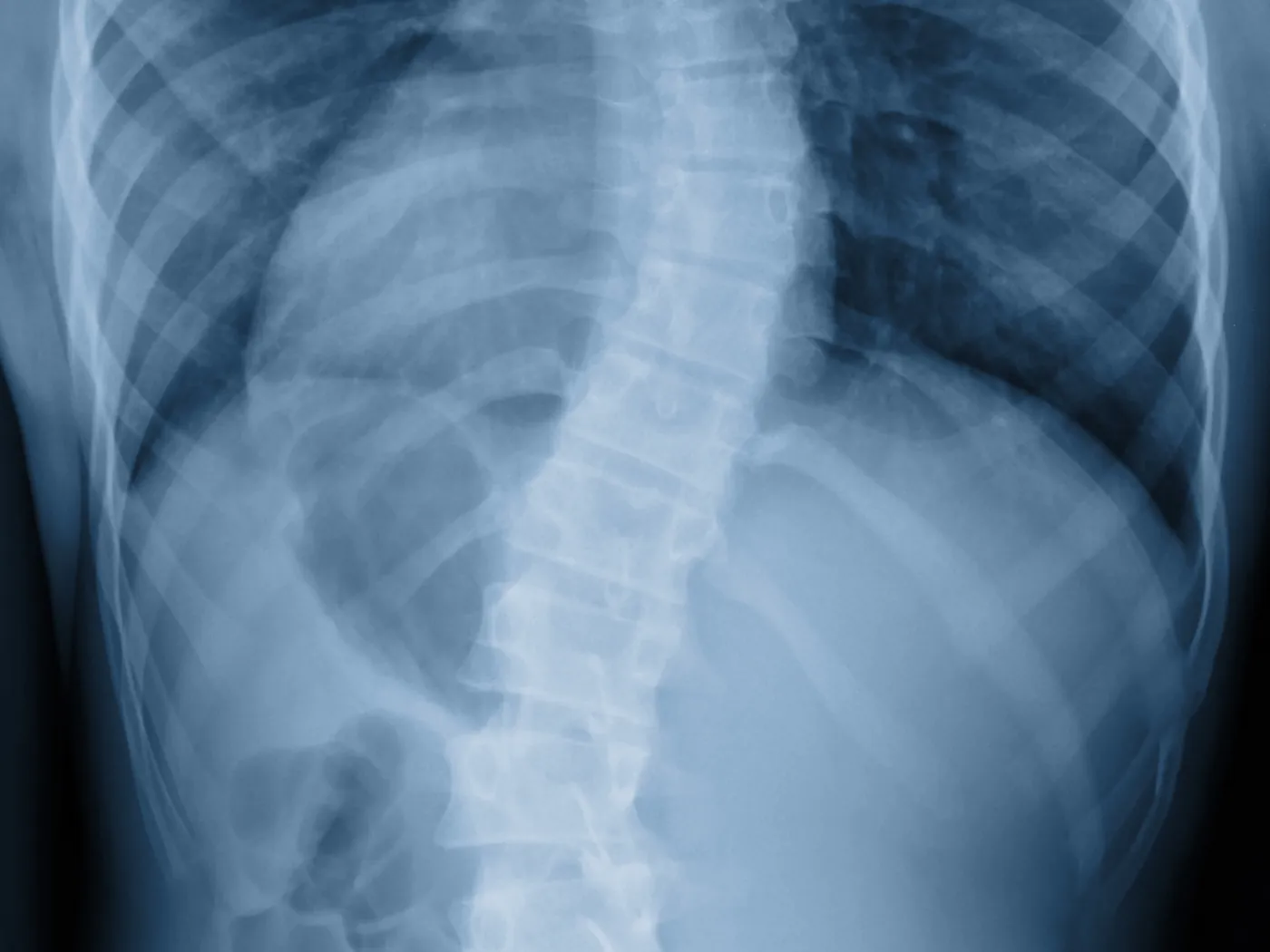
Spine fractures range from mild compression fractures to complex burst or dislocation injuries that can involve the spinal cord and nerves.
Each injury is assessed for how severe and how stable it is, and whether the nerves are involved, before the treatment is chosen.
Conditions it covers
Compression fractures
Burst fractures
Fracture-dislocations
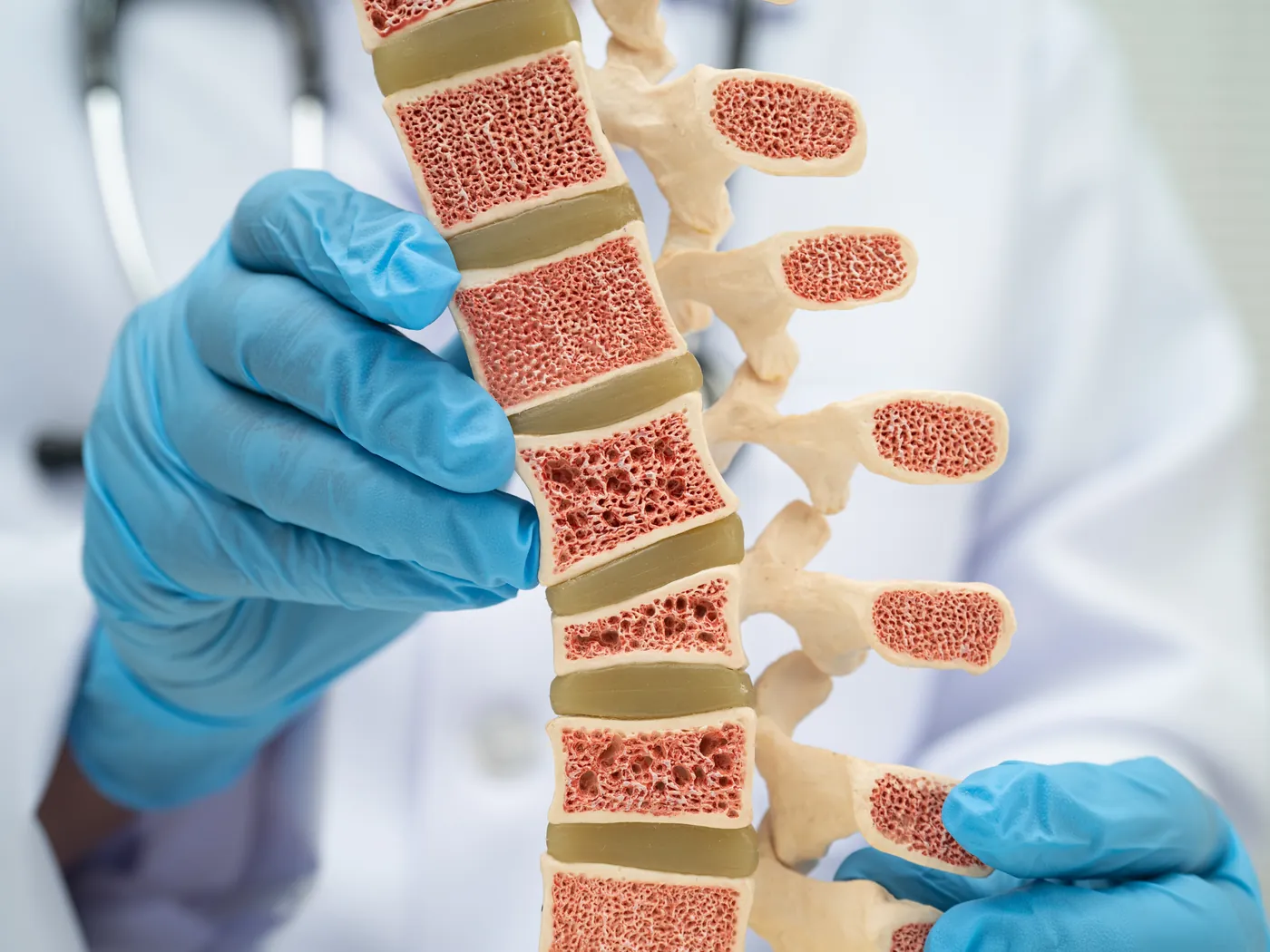
Fractures from weak bone (osteoporosis)
02
Is this for you?
You may benefit from an assessment if you have:
Sudden back or neck pain after a fall or accident
Pain that worsens on standing or moving
Numbness, tingling or weakness
Loss of bladder or bowel control (an emergency)
03
How it is assessed
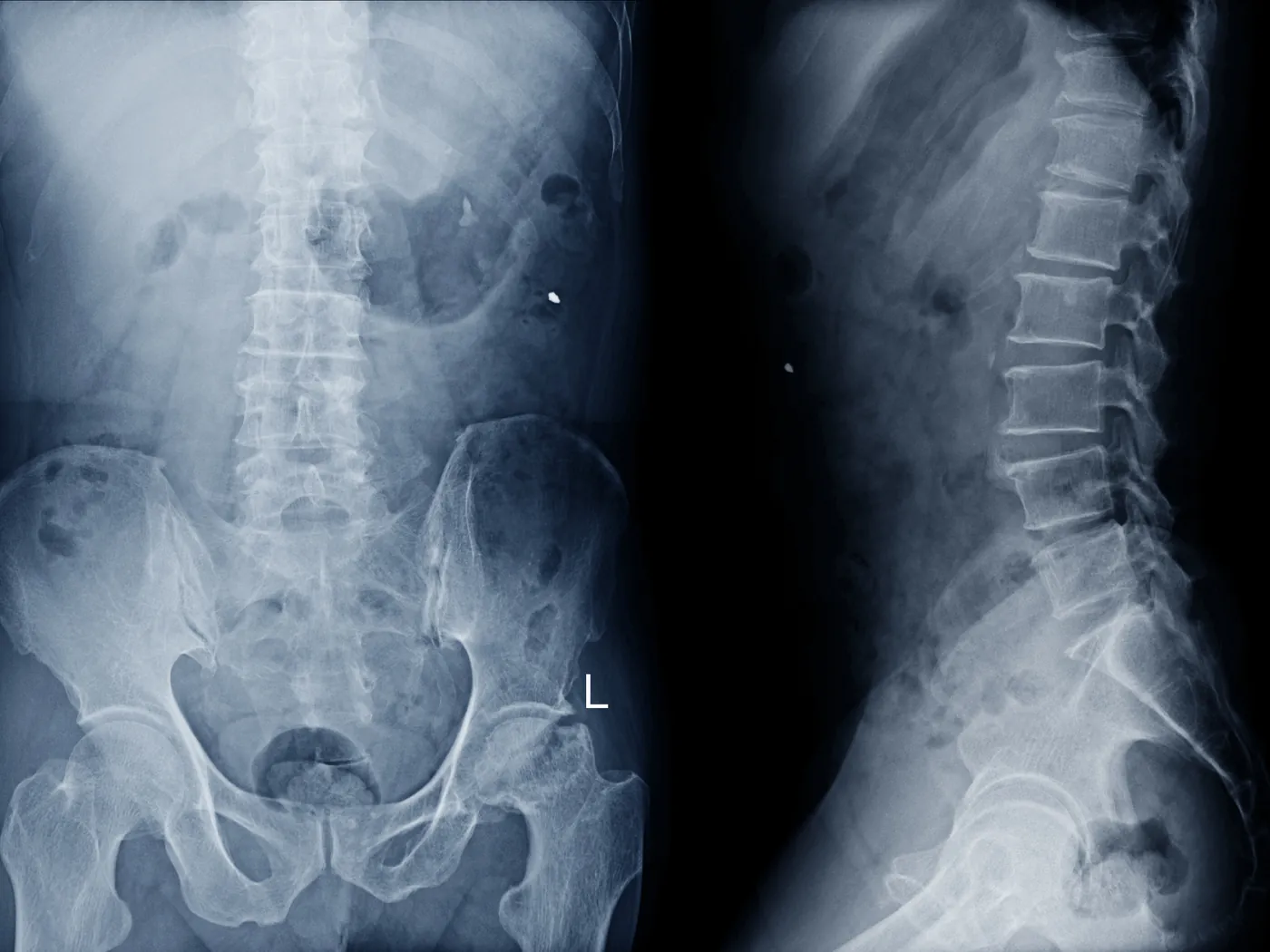
X-rays, CT and MRI to judge how severe and how stable the fracture is, and whether the spinal cord or nerves are affected.
Digital X-rays
CT scan
MRI
Neurological examination
04
Treatment options
Non-surgical options come first. Surgery is advised only when it is likely to help.
Non-surgicalBracing, rest and physiotherapyFor stable fractures without nerve involvement.
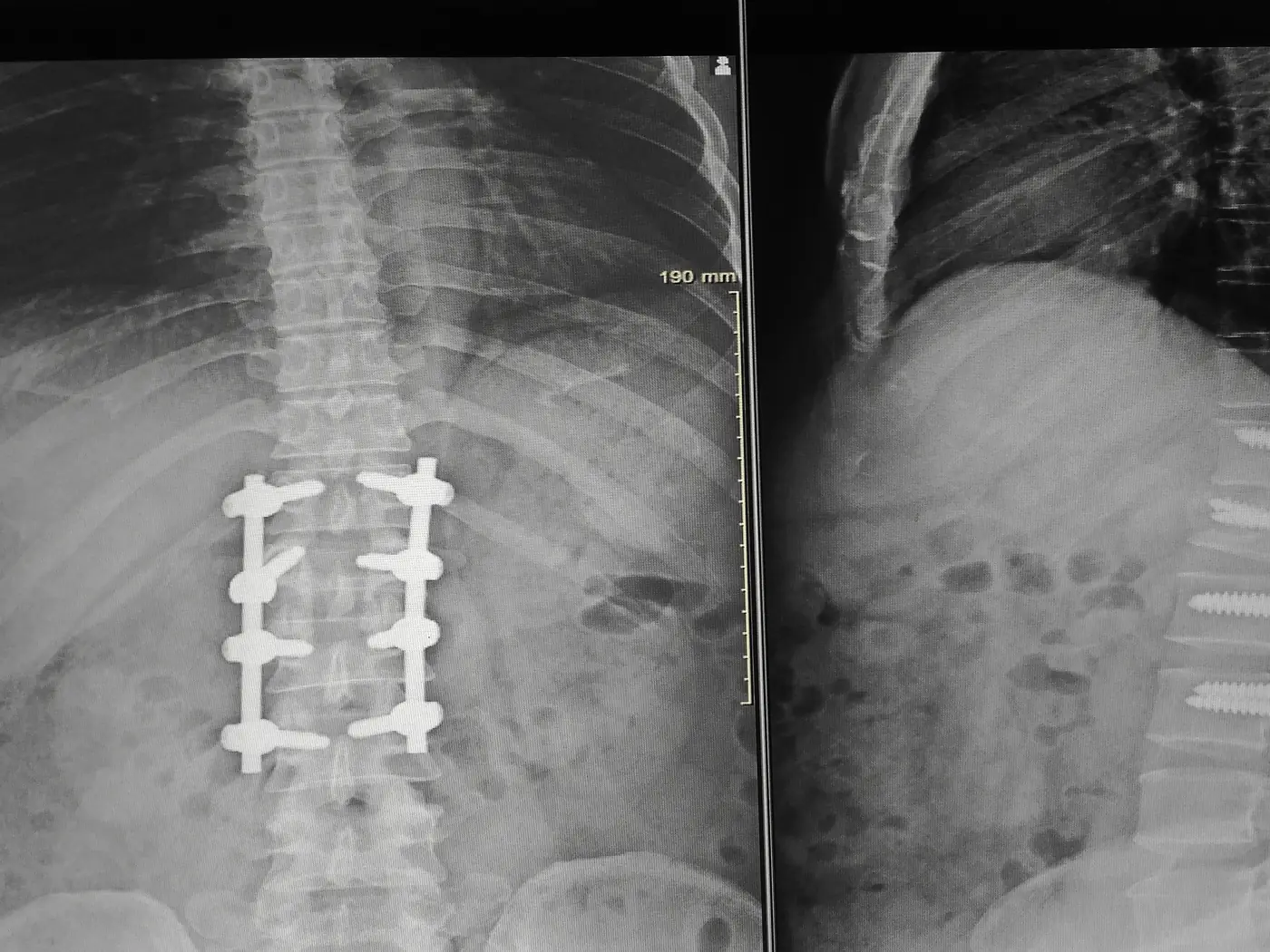
SurgicalMinimally invasive fixationScrews and rods placed through small incisions to steady the spine.
SurgicalVertebroplasty / kyphoplastyBone cement to strengthen a collapsed vertebra, mainly in weak bone.
SurgicalOpen stabilisation and fusionFor unstable or complex fractures, and to relieve pressure on the nerves.
05
Recovery
After treatment, the team builds a recovery plan around you.
1Pain management
2Posture training
3Gradual strengthening
4Follow-up imaging
06
Why Dr. Praveen
MBBS, M.S. Orthopaedics (NIMS) and four spine fellowships: FASSI (Mumbai), FMISSAB (Chennai), FAO (New Delhi), FAPSS (Malaysia).
12+ years in spine surgery; consults at CARE Hospitals, HITEC City and DIA Clinics, Kokapet.
Honest advice first: non-surgical care is tried whenever it can help, and surgery is advised only when it is likely to help.
Uses intraoperative neuromonitoring and navigation in spine surgery, where suitable, to protect the nerves and place implants accurately.
Fellowship training in spinal cord injury and rehabilitation (FAO, New Delhi).
07
What patients say
Google reviews from patients who mention this kind of problem. See all reviews →
Gaurav TripathiMay 2026
★★★★★
My mother aged 62 was having multiple spine fractures back in March. She was in immense pain when we reached Dr Praveen Goparaju sir. She had a lot of complications previously as well HTN, Diabetes, Thy with stent in heart. There was a vertebroplasty required with fixtures. With all the known risks, sir had patiently operated her with all his expertise. And by God's grace now she is able to at least do her daily stuffs and able to walk now with very less pain.
I am really very grateful to the doctor for the kind of treatment and the behavior.
08
Questions
Do all spine fractures need surgery?
No. Many stable fractures heal with a brace, rest and physiotherapy. Surgery is advised for unstable fractures or when nerves are under pressure.
What should I do after a fall with back pain?
Get it checked, especially if the pain is severe, you are older or have weak bones, or you notice numbness, weakness or bladder problems.
How long does a spine fracture take to heal?
Bone usually takes about three months to heal, but this varies with the type of fracture, the treatment and bone strength.