
Home / Treatments

Treatment 05 of 16

Spinal stenosis (lumbar canal stenosis) in Hyderabad

Spinal stenosis is narrowing of the space around the spinal nerves. In the lower back it often causes leg pain, numbness or heaviness that comes on with walking and eases on sitting or bending forward.

At a glance
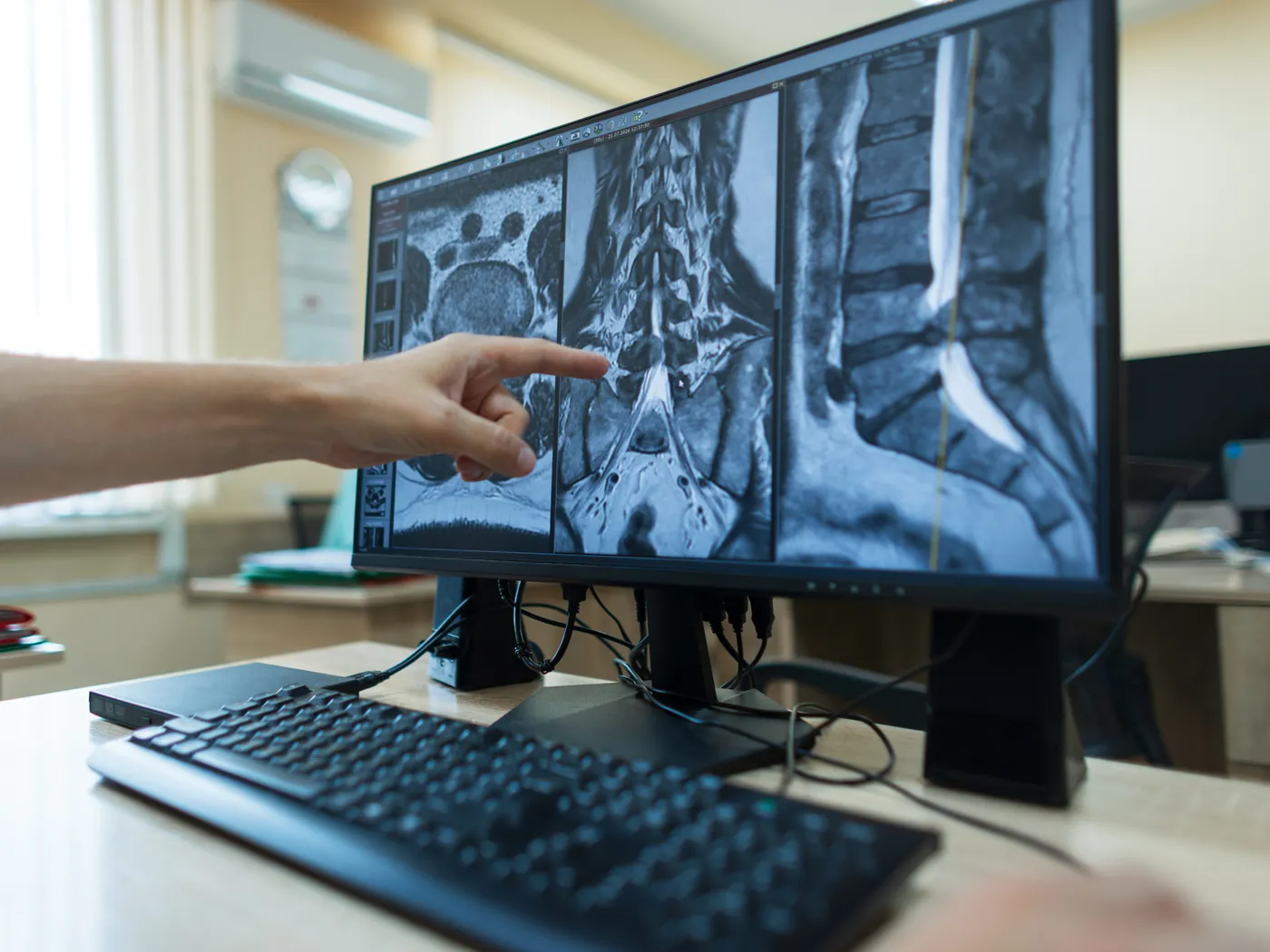
  • Lumbar canal stenosis
  • Leg pain on walking
  • Cervical stenosis
  • Nerve compression
Spinal stenosis (lumbar canal stenosis)
01

Overview

With age, discs wear, joints thicken and ligaments stiffen. Together these can narrow the spinal canal and press on the nerves. It is most common in the lower back (lumbar canal stenosis) and can also happen in the neck.

Many people manage well with non-surgical care. When walking distance keeps shrinking or there is weakness, decompression surgery can free the nerves.

Conditions it covers

  • Lumbar canal stenosis
  • Cervical canal stenosis
  • Foraminal stenosis
  • Stenosis with a slipped vertebra (spondylolisthesis)
02

Is this for you?

You may benefit from an assessment if you have:

  • Leg pain, numbness or heaviness when walking or standing
  • Needing to sit or bend forward to ease the legs
  • Walking distance getting shorter
  • In the neck: hand clumsiness, arm numbness or poor balance
03

How it is assessed

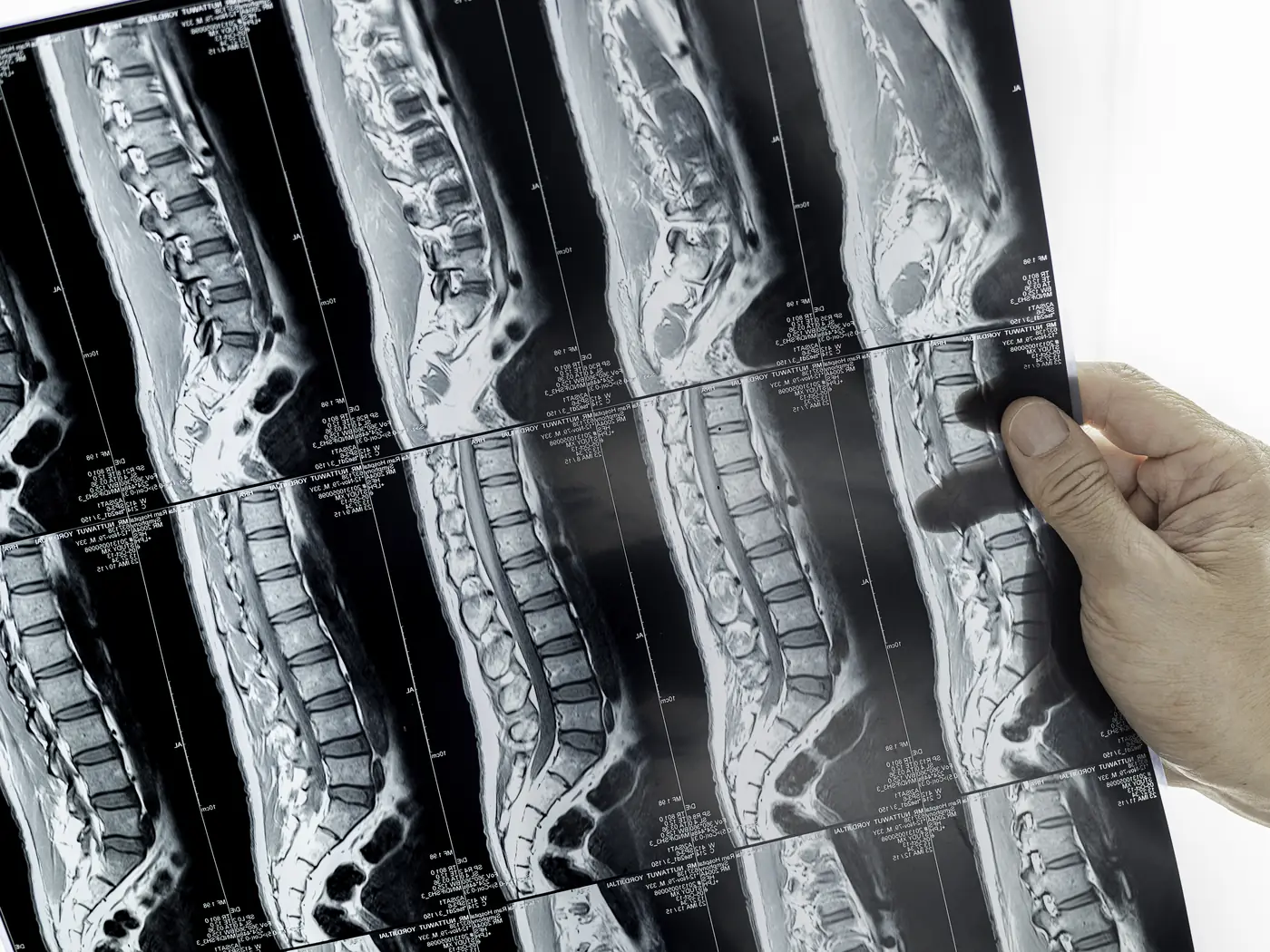
An examination of strength, sensation, reflexes and walking, and an MRI to see where and how much the canal is narrowed. X-rays in different positions check for instability.

  • Neurological examination
  • MRI of the spine
  • Standing and flexion-extension X-rays
04

Treatment options

Non-surgical options come first. Surgery is advised only when it is likely to help.

  1. Non-surgicalMedicines and physiotherapyPain and nerve-pain medicines with exercises that improve walking and posture.
  2. Non-surgicalNerve root or epidural injectionCan ease leg pain for a period and help with physiotherapy.
  3. SurgicalDecompression (laminectomy / laminotomy)Removes the bone and thickened ligament pressing on the nerves, often through a small, minimally invasive approach.
  4. SurgicalDecompression with fusionAdds screws and a fusion when the narrowed level is also unstable or slipped.
05

Recovery

After treatment, the team builds a recovery plan around you.

  1. 1Walking soon after surgery
  2. 2Pain relief
  3. 3Physiotherapy
  4. 4Follow-up visits
06

Why Dr. Praveen

  • MBBS, M.S. Orthopaedics (NIMS) and four spine fellowships: FASSI (Mumbai), FMISSAB (Chennai), FAO (New Delhi), FAPSS (Malaysia).
  • 12+ years in spine surgery; consults at CARE Hospitals, HITEC City and DIA Clinics, Kokapet.
  • Honest advice first: non-surgical care is tried whenever it can help, and surgery is advised only when it is likely to help.
  • Uses intraoperative neuromonitoring and navigation in spine surgery, where suitable, to protect the nerves and place implants accurately.
07

Questions

Why does my leg hurt when I walk but not when I sit?

Standing straight narrows the spinal canal a little more and squeezes the nerves; sitting or bending forward opens it. This pattern is typical of lumbar canal stenosis.

Is surgery for spinal stenosis safe in older people?

Age alone is not a reason to avoid surgery. The decision depends on your general health, how much the stenosis limits you and the results of the scans. Minimally invasive decompression is often suitable.

Will I need a fusion?

Not always. Fusion is added only when the narrowed level is unstable or slipped. Many people need decompression alone.

Back or neck pain? Book a visit.

Choose a clinic and a time. The clinic calls you back to confirm. In pain right now? Call +91 91821 13459.