




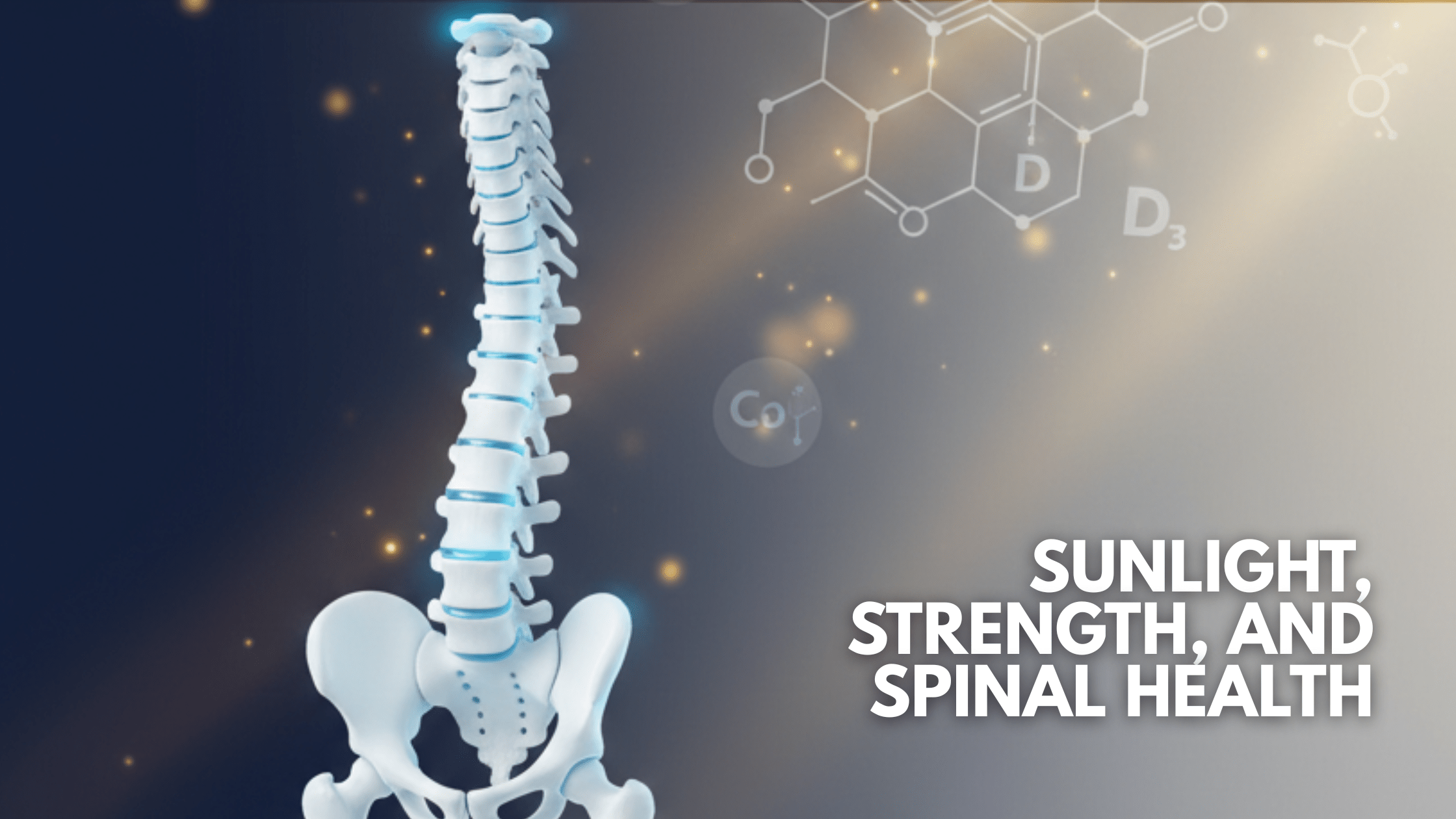
When we think about maintaining a healthy spine, we often focus on posture, exercise, and proper lifting techniques. However, there’s a crucial element that many people overlook one that comes from an unexpected source: sunshine. Dr. Praveen Goparaju, a distinguished spine surgeon practicing in Hyderabad, emphasizes that Vitamin D plays an absolutely critical role in maintaining spinal health and overall bone strength, yet deficiency in this essential nutrient has become alarmingly common in modern society.
Understanding Vitamin D: More Than Just Another Vitamin
Vitamin D stands apart from many other vitamins in fundamental ways. As Dr. Praveen Goparaju explains, Vitamin D is classified as a fat-soluble vitamin, which distinguishes it from water-soluble vitamins like Vitamin B12. This classification is more than just a technical detail it has significant implications for how our bodies process, store, and utilize this nutrient.
Fat-soluble vitamins are stored in the body’s fatty tissues and liver, meaning they can accumulate over time. While this allows our bodies to maintain reserves during periods of inadequate intake, it also means that achieving and maintaining optimal levels requires consistent attention to both dietary sources and the body’s unique synthesis process.
The Foundation of Bone and Muscle Strength
At its core, Vitamin D serves as one of the fundamental building blocks of skeletal health. Dr. Praveen Goparaju emphasizes that Vitamin D is absolutely essential for bone strength, working in tandem with calcium to keep our bones hard and durable. This partnership between Vitamin D and calcium is not merely complementary it’s synergistic and absolutely necessary.
Without adequate Vitamin D, our bodies cannot effectively absorb calcium from our diet, regardless of how much calcium we consume. It’s like having all the raw materials for construction but lacking the tools to put them together. This is why someone can have a calcium-rich diet yet still develop bone problems if their Vitamin D levels are insufficient.
Beyond bones themselves, Vitamin D is also vital for the strength of the muscles surrounding the spine. These muscles form a crucial support system for our spinal column, helping to maintain proper alignment, absorb shock during movement, and protect the delicate structures within. When these muscles are weakened due to Vitamin D deficiency, the entire spinal support structure becomes compromised.
The Remarkable Process of Vitamin D Synthesis
One of the most fascinating aspects of Vitamin D is how our bodies produce it. Unlike most vitamins that we must obtain entirely from our diet, Vitamin D can be synthesized by our own bodies through a remarkable process that involves both internal chemistry and external environmental factors.
Dr. Praveen Goparaju explains that the body initially creates a precursor for Vitamin D in the kidneys. However, this precursor is inactive and cannot perform the vital functions that Vitamin D is known for. The transformation from inactive precursor to active, functional Vitamin D requires one critical element: sunlight.
When ultraviolet B (UVB) rays from the sun strike our skin, they trigger a chemical reaction that converts the precursor into active Vitamin D3, the form our bodies can actually use. This process is why Vitamin D is often called “the sunshine vitamin” because unlike any other vitamin, it requires sunlight for activation.
Dr. Praveen Goparaju recommends spending approximately 15 to 20 minutes in the sun for this conversion to occur effectively. This doesn’t mean prolonged sunbathing or risking sunburn; rather, it’s about regular, moderate exposure that allows the body to maintain adequate Vitamin D production. The timing and quality of this exposure matter mid-morning or late afternoon sun is generally ideal, and the exposure should be to skin rather than through windows or heavy clothing.
Who Faces the Greatest Risk of Deficiency?
While Vitamin D deficiency can affect anyone, certain populations face elevated risk due to their circumstances or life stage. Understanding these risk factors is crucial for prevention and early intervention.
The Indoor Worker Epidemic
In our modern, predominantly indoor lifestyle, one group faces particular vulnerability: office workers and others who spend the majority of their daylight hours indoors. Dr. Praveen Goparaju highlights that people working long hours in closed cabins from morning until night often lack adequate sunlight exposure, leading to significant deficiency.
Consider the typical routine of a modern professional: they wake up before sunrise, commute to work (often in enclosed vehicles), spend eight to twelve hours in artificially lit offices, and return home after sunset. Throughout this entire day, their skin may receive virtually no direct sunlight exposure. Even those who sit near windows may not benefit, as glass blocks most UVB rays needed for Vitamin D synthesis.
This situation has been exacerbated by the rise of remote work and increased screen time. While working from home offers many benefits, it can paradoxically lead to even less outdoor time if individuals don’t make a conscious effort to step outside during daylight hours.
Post-Menopausal Women: A Population of Special Concern
Dr. Praveen Goparaju identifies post-menopausal women as another high-risk group for Vitamin D deficiency. Women who have reached menopause face a perfect storm of risk factors that make them particularly vulnerable to both deficiency and its consequences.
Menopause brings significant hormonal changes, particularly a decline in estrogen levels. Estrogen plays a crucial role in maintaining bone density, and as levels drop, bones naturally begin to lose some of their strength and density a condition known as osteoporosis when it becomes severe. This bone softening means that post-menopausal women are starting from a position of increased vulnerability.
When Vitamin D deficiency is added to this equation, the effects become compounded and more apparent. The combination of age-related bone loss and inadequate Vitamin D creates a situation where deficiency symptoms manifest more quickly and severely than they might in younger individuals or men. For this population, maintaining adequate Vitamin D levels isn’t just beneficial it’s absolutely critical for maintaining quality of life and independence.
The Cascade of Consequences: What Happens When Vitamin D Levels Drop
The effects of Vitamin D deficiency don’t occur overnight, but rather develop through a progressive cascade of changes that can eventually lead to serious spinal problems. Understanding this progression helps illustrate why early detection and intervention are so important.
The Initial Changes: Softening and Weakening
When Vitamin D levels drop below optimal ranges, the first changes occur at the microscopic level. Dr. Goparaju explains that spine bones can become soft and gradually lose their ability to support body weight effectively. This softening doesn’t mean bones become flexible like cartilage, but rather that their internal structure becomes less dense and less capable of withstanding the constant forces they face.
The spine bears tremendous loads throughout each day. Whether we’re sitting, standing, walking, or lifting, our spinal bones must support our body weight and the additional forces generated by movement and activity. When these bones begin to soften due to Vitamin D deficiency, they become less capable of handling these loads without sustaining damage.
Spondylosis: The Progressive Degenerative Change
As the process continues, it can lead to conditions like cervical spondylosis (affecting the neck region) or lumbar spondylosis (affecting the lower back). Spondylosis refers to degenerative changes in the spine, including the formation of bone spurs, loss of disc height, and other structural changes that occur as the body attempts to compensate for weakened bones.
These conditions represent the spine’s attempt to adapt to inadequate structural support. When bones are soft and weak, the body may try to create additional support structures, but these adaptations often come at a cost, leading to stiffness, reduced mobility, and pain.
Advanced Complications: Disc Degeneration and Nerve Compression
If Vitamin D deficiency is neglected and the spinal deterioration continues, Dr. Praveen Goparaju warns that the added pressure and instability can cause disc degeneration. The intervertebral discs cushion-like structures between spinal bones begin to break down under abnormal stress. These discs may bulge, herniate, or collapse, fundamentally altering spinal mechanics.
The most serious consequence occurs when these degenerative changes begin to affect the nervous system. Damaged or displaced discs may eventually press on nerves exiting the spinal column, a condition that can result in sciatica when it affects the lower spine. Sciatica causes pain, numbness, tingling, or weakness that radiates from the lower back down through the leg, sometimes all the way to the foot.
This nerve compression represents a critical turning point. While the earlier stages of Vitamin D deficiency primarily cause structural problems and discomfort, nerve involvement can lead to functional impairment that significantly affects daily life and may require more aggressive medical intervention.
Recognizing the Warning Signs
One of the challenges with Vitamin D deficiency is that its symptoms can be subtle initially and are often attributed to other causes. Dr. Praveen Goparaju outlines several key warning signs that should prompt individuals to consider whether deficiency might be playing a role in their symptoms.
Early Symptoms: Fatigue and Persistent Pain
Among the earliest and most common symptoms is unexplained fatigue. While everyone experiences tiredness from time to time, the fatigue associated with Vitamin D deficiency is often persistent and doesn’t improve significantly with rest. It’s a deep, pervasive sense of low energy that can affect both physical and mental functioning.
Persistent neck and back pain represents another early warning sign. While many factors can cause spinal pain, the ache associated with Vitamin D deficiency often has certain characteristics: it may be diffuse rather than localized to a specific point, it often feels deep-seated rather than superficial, and it may worsen with activities that load the spine, such as prolonged sitting or standing.
Advanced Symptoms: Neurological Involvement
In more advanced cases, symptoms escalate to include neurological manifestations. Numbness or tingling sensations in the limbs indicate that nerve function is being affected. Some individuals describe pulling sensations or feelings of weakness in their arms or legs.
These symptoms should never be ignored. While they may start mildly perhaps just occasional tingling in the fingers or toes they can progress to significant functional impairment if the underlying cause isn’t addressed. The appearance of neurological symptoms indicates that the deficiency has advanced to a point where it’s affecting not just bone structure but also nerve function.
The Path Forward: Prevention and Treatment
The good news is that Vitamin D deficiency is both preventable and treatable. Dr. Praveen Goparaju’s advice is clear and actionable: anyone experiencing symptoms suggestive of deficiency should consult a doctor and have their vitamin levels checked.
The Importance of Testing
A simple blood test can measure Vitamin D levels and determine whether deficiency is present and, if so, how severe it is. This objective measurement is crucial because symptoms alone cannot definitively diagnose deficiency, and the appropriate treatment depends on the severity of the deficiency.
Testing is particularly important for individuals in high-risk categories indoor workers, post-menopausal women, elderly individuals, and those with limited sun exposure for any reason. Regular screening can catch deficiency before it leads to significant structural problems.
Treatment Strategies
Treatment for Vitamin D deficiency typically involves a combination of approaches. Supplementation with Vitamin D3 is often necessary, especially when deficiency is moderate to severe. The dosage and duration of supplementation should be determined by a healthcare provider based on test results and individual factors.
However, supplementation alone isn’t enough for long-term health. Lifestyle modifications are equally important. This includes making a conscious effort to get regular sun exposure those 15 to 20 minutes that Dr. Goparaju recommends as well as consuming foods rich in Vitamin D, such as fatty fish, egg yolks, and fortified dairy products.
Conclusion: Taking Control of Your Spinal Health
The message from Dr. Praveen Goparaju is both sobering and empowering. Vitamin D deficiency represents a serious but often overlooked threat to spinal health, capable of initiating a cascade of degenerative changes that can significantly impact quality of life. The modern lifestyle with its emphasis on indoor work and limited outdoor activity has created conditions where deficiency has become commonplace.
Yet this is not a situation where we are powerless. By understanding the critical role of Vitamin D, recognizing the risk factors and symptoms, and taking proactive steps to maintain adequate levels, we can protect our spinal health and overall wellbeing. Whether it’s making time for a brief daily walk in the sunshine, being mindful of dietary choices, or seeking medical guidance when symptoms appear, the tools for prevention and treatment are readily available.
Your spine supports you through every moment of every day. It deserves the support that only adequate Vitamin D can provide. Don’t wait for symptoms to become severe take action today to ensure that this sunshine vitamin is working to keep your spine strong, healthy, and functional for years to come.
