

Treatment 16 of 16
Tumours can grow in or around the spine. Some start in the spine itself, but most spread there from cancer elsewhere in the body. They can cause back pain, fractures or pressure on the spinal cord and nerves.
At a glance
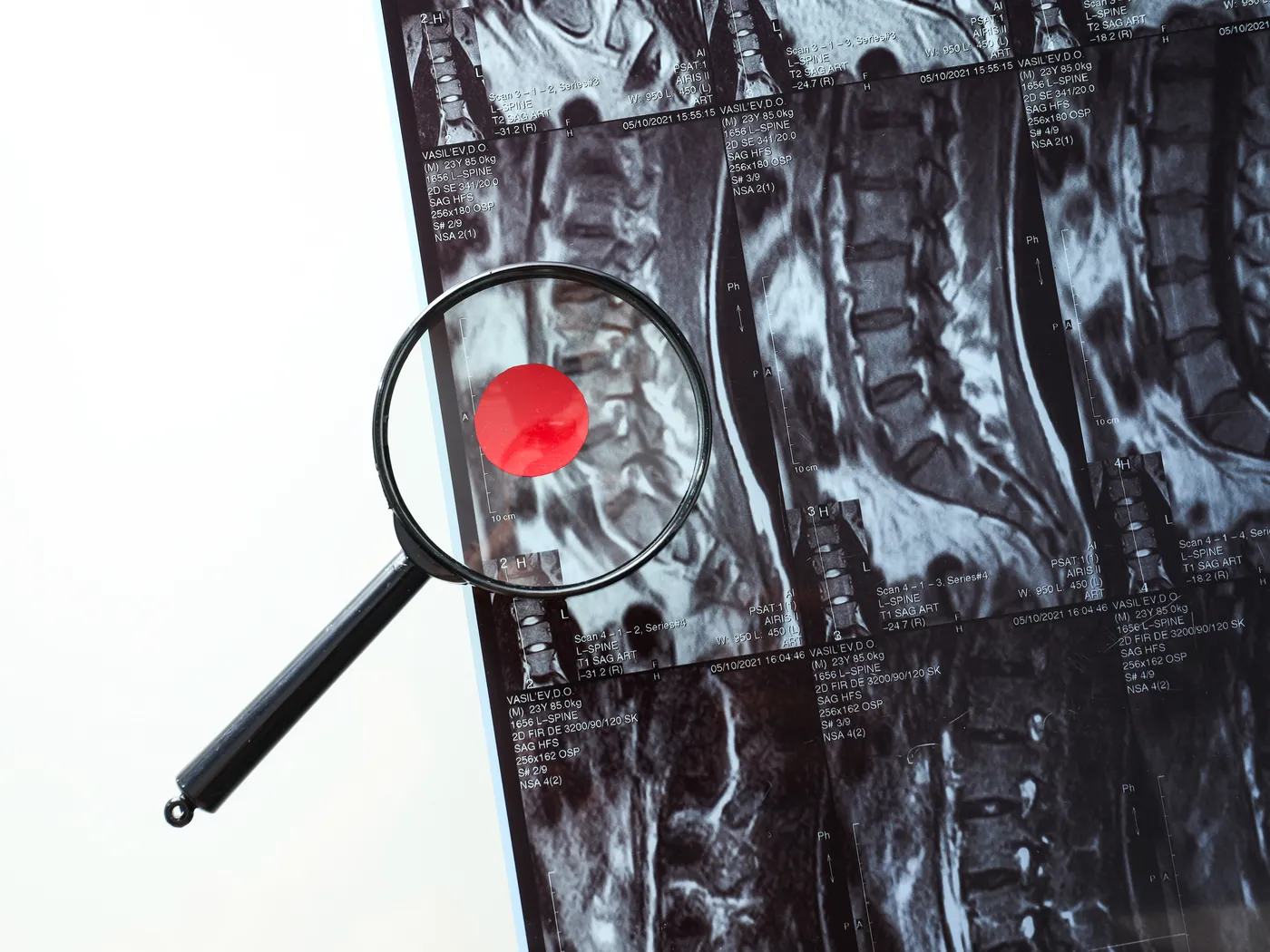
Spine tumours range from benign (non-cancerous) growths to cancer that has spread to the spine. They can weaken the vertebrae, cause fractures and press on the spinal cord or nerves.
Treatment depends on the type of tumour, where it is and the person's overall health. It is planned together with oncologists and radiation specialists. Surgery is used to take a biopsy, relieve pressure on the spinal cord and nerves, steady the spine or remove the tumour when possible.
You may benefit from an assessment if you have:
An examination of strength, sensation and walking, an MRI of the spine, CT scans and, where needed, a biopsy to find out what kind of tumour it is.
Non-surgical options come first. Surgery is advised only when it is likely to help.
After treatment, the team builds a recovery plan around you.
No. Some spine tumours are benign (not cancer). An MRI and often a biopsy are needed to know the type.
When there is new weakness, numbness, difficulty walking or loss of bladder or bowel control, which can mean pressure on the spinal cord. Seek care the same day.
Often, yes, for tumours that have spread from elsewhere. The plan is made together with your oncologist.
Keep reading
 13
 11
 15
Choose a clinic and a time. The clinic calls you back to confirm. In pain right now? Call +91 91821 13459.