

Subscribe to out newsletter today to receive latest news administrate cost effective for tactical data.
Let’s Stay In Touch



Subscribe to out newsletter today to receive latest news administrate cost effective for tactical data.
2478 Street City Ohio 90255
Subscribe for newsletter
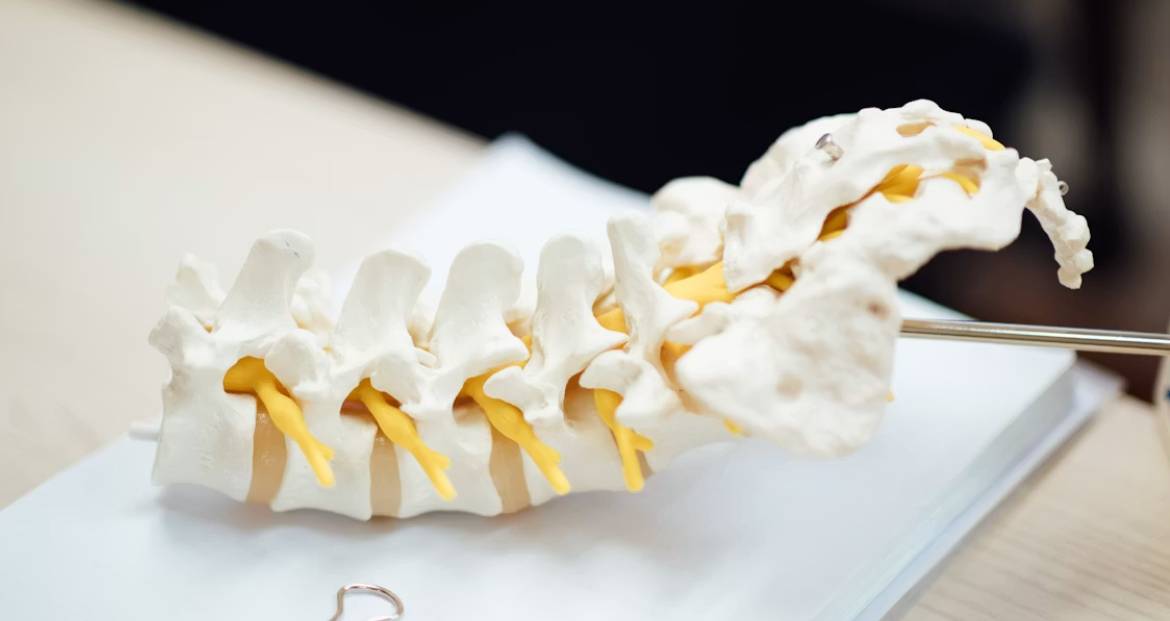
Spondylodiscitis is a spine infection that primarily affects the disks and then pervades adjacent vertebrae through endplates. Pathogens causing it are called staphylococci. Spinal infections are caused by different pathogens that may be bacterial, fungal, or parasitic. Comprehensively spinal infections spondylodiscitis is a term referred to as vertebral osteomyelitis, spondylitis, and discitis.
Spondililodistis leads to other complications also such as osteomyelitis. Although it is a rare spinal infection condition, it is a serious condition with high morbidity and mortality rates. Therefore it is essential to seek early treatment from the orthopedic to contain its spread. You can seek help from us.
As discussed above, spondylodiscitis is caused by various pathogens, including bacteria and fungi, diagnosed while treating patients. Staphylococci and Mycobacterium tuberculosis are the main causative organisms for it. The lumbar spine has more chances of infection than the thoracic spine. Spondylodiscitis occurs about 2-5% among osteomyelitis patients, and the prevalence increase with age.
Another common form of spondylodiscitis is tuberculous spondylodiscitis caused by mycobacterium tuberculosis.
The doctor asks the patient about their medical history, symptoms, as comorbidities. After this, the doctor prescribes multiple diagnostic tests to confirm the disease. The diagnosis includes:
The doctor prescribes other tests also to conclude the disease and percentage of infection.
Based on the above reports, the spine doctors plans the treatment.
Conservative treatments
The conservative treatment is based on antibiotics and immobilization. It is recommended either when the risk is low to mild or when the patient is not fit for the surgery. The braces are given for Immobilization and allow bones to strengthen during treatment. However, prolonged bed-rest immobilization is discontinued for the treatment as it imposes some bad includes. Therefore, the children should be recommended only conservative treatments.
The conservative treatment ideally lasts for 6-8 weeks, and if the case does not improve, then doctor recommends other treatments.
Physical Therapy
Physical therapy helps in the nascent/early stages of spondylolisthesis. A certain set of exercises (involving specific muscle movement) specially designed by a physiotherapist is included with good dietary supplements. The exercises aim to strengthen the trunk, limbs, and lower back to ease pressure redistribution to surrounding muscles. The doctor will also recommend wearing a corset for 6-10 weeks to gain enough spine stability.
The early prognosis of the disease is very helpful for recoupment from diseases through physical therapy or conservative treatment.
Surgery
The surgery is recommended in The following cases:
The severity of disease leading to infections in multiple spine chords
Kyphosis due to infection
The disease does not respond to conservative methods or require surgery in future stages.
The disease was leading to other degenerative or spine disorders.
I perform surgical debridement and fixation procedures such as spinal fusion to eliminate the infectious part of the spine and join or stabilize the spine sections into one unit.