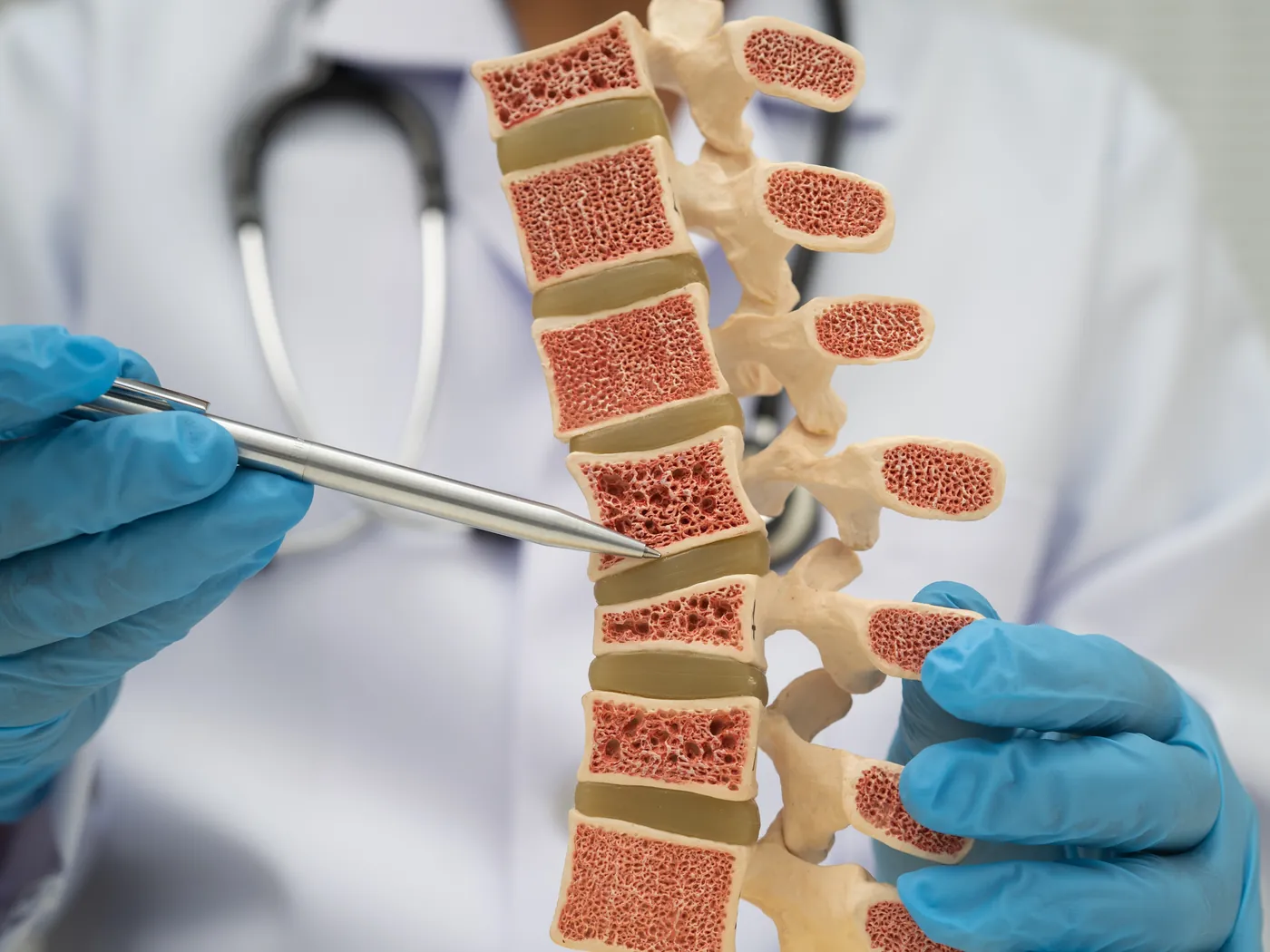
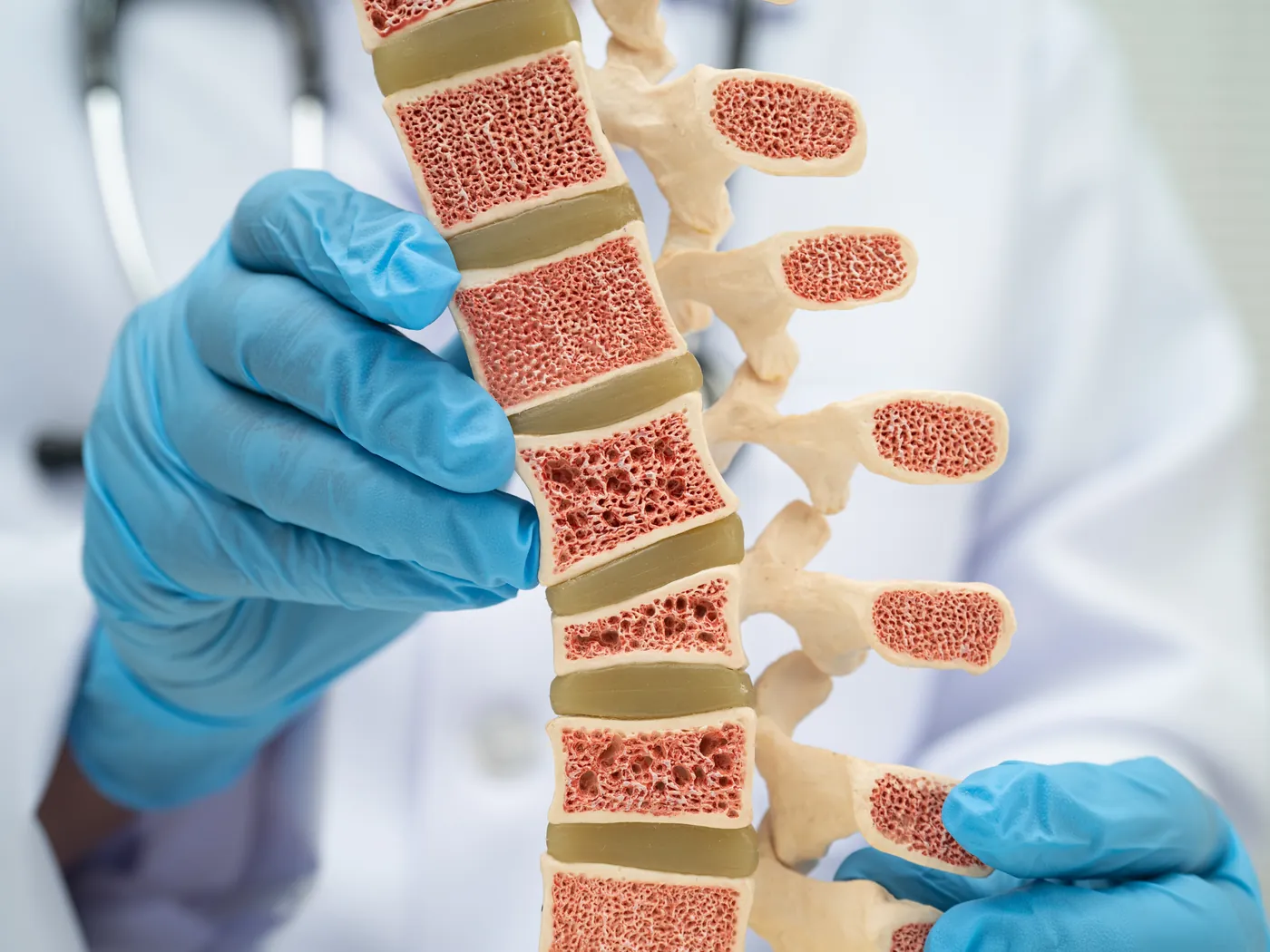
Kyphoplasty and vertebroplasty treat painful compression fractures, most often from osteoporosis, by injecting bone cement into the broken vertebra through a needle.
A compression fracture happens when a vertebra collapses, often after a minor fall, a lift or even a cough when the bones are weak. Many heal with rest, pain relief and a brace.
When the pain is severe or does not settle, a needle is passed into the fractured vertebra under X-ray guidance and bone cement is injected to steady it. In kyphoplasty a small balloon first creates space and can restore some height before the cement goes in.
Conditions it covers
Osteoporotic compression fractures
Painful vertebral fractures that are not healing
Selected fractures from tumours in the spine
02
Is this for you?
You may benefit from an assessment if you have:
Sudden back pain after a minor fall, lift or cough
Pain that is worse on standing and eases on lying down
Back pain in someone with osteoporosis
Loss of height or a stooped posture
03
How it is assessed
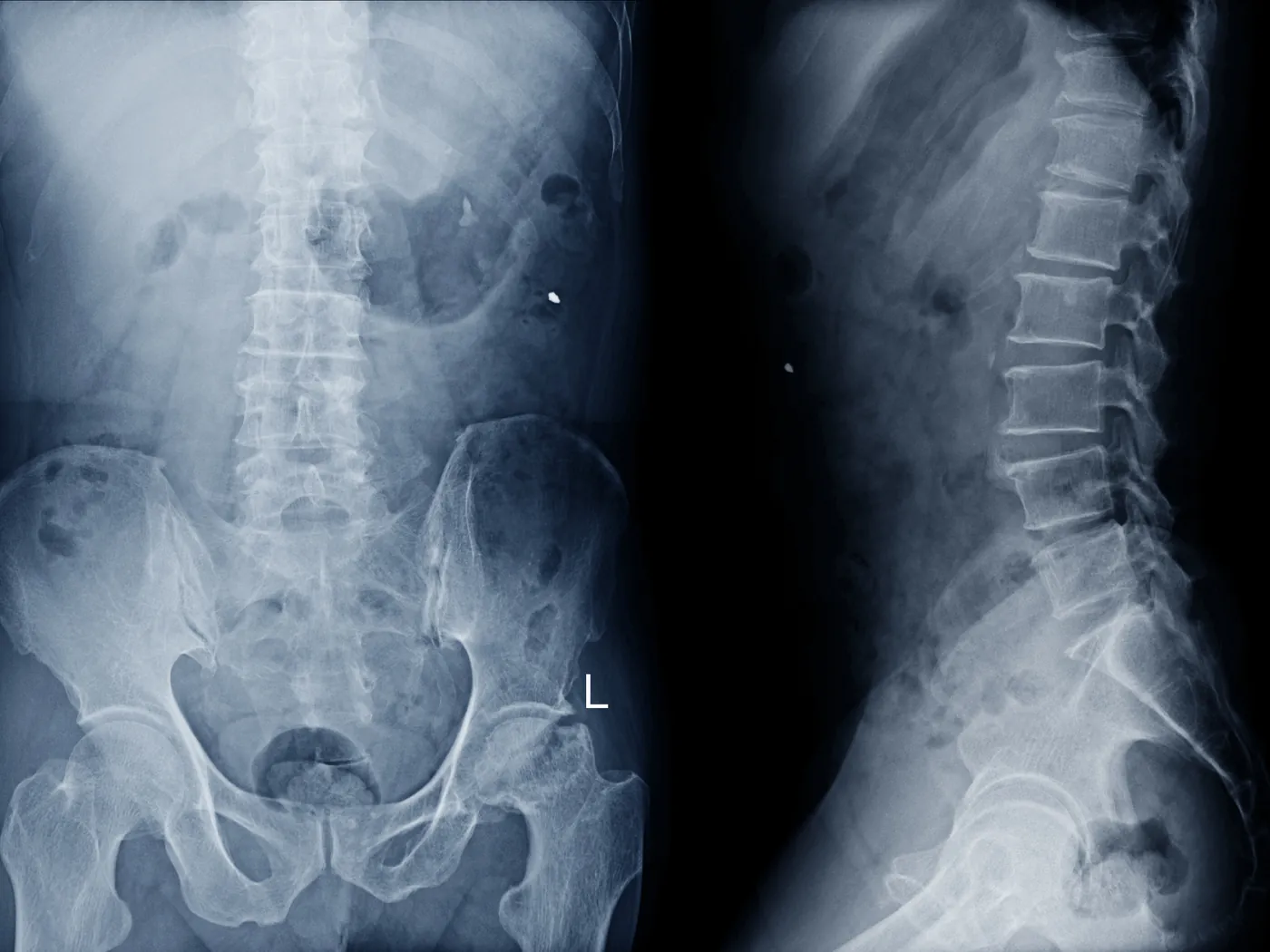
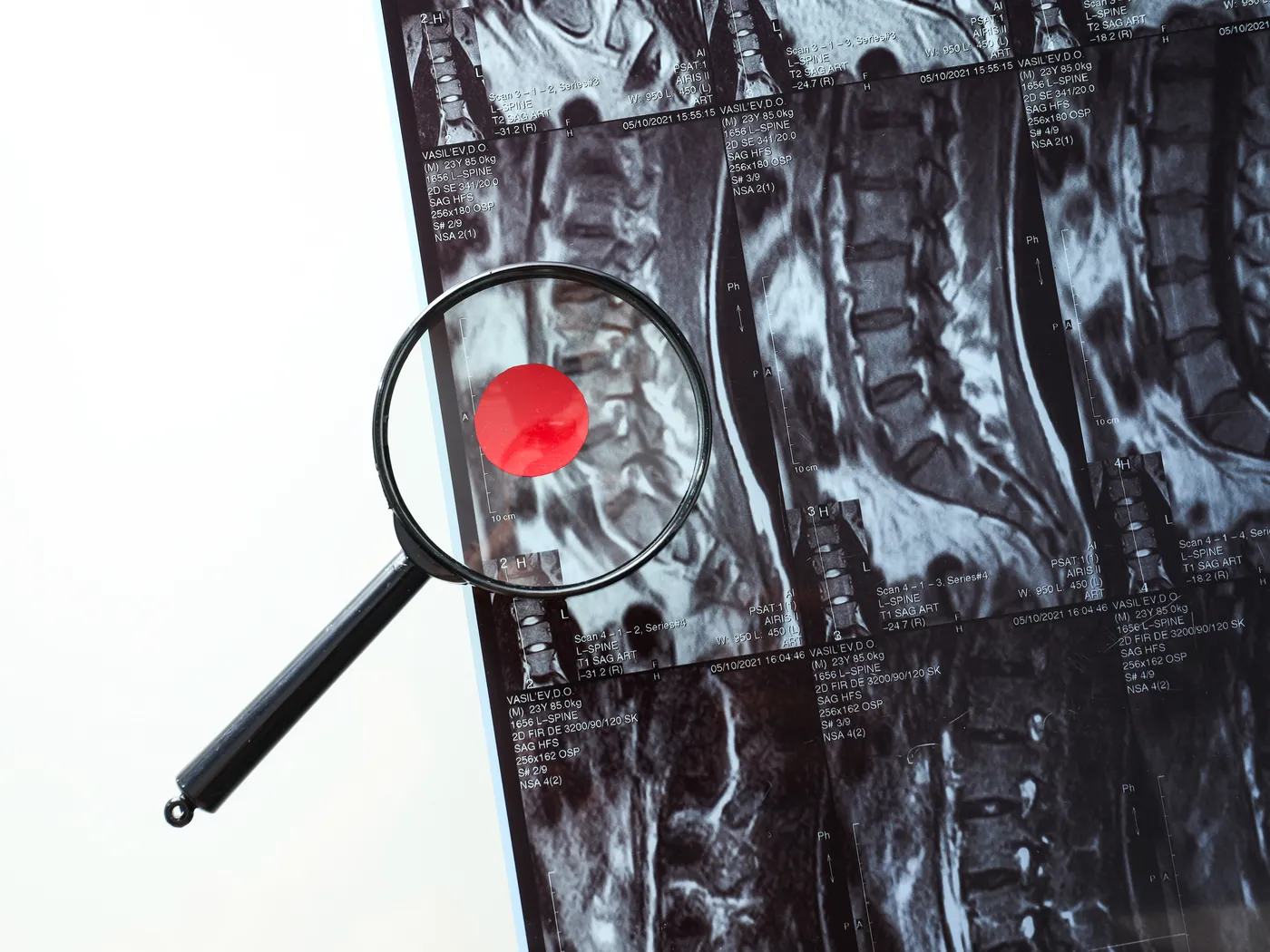
An examination, X-rays and an MRI to confirm a recent fracture and that the vertebra is suitable for cement, and a bone density (DEXA) scan for osteoporosis.
Physical examination
X-rays and MRI
Bone density (DEXA) scan
04
Treatment options
Non-surgical options come first. Surgery is advised only when it is likely to help.
Non-surgicalPain relief, rest and bracingMany fractures heal this way over several weeks.
SurgicalVertebroplastyBone cement is injected through a needle into the fractured vertebra to steady it and ease pain.
SurgicalKyphoplastyA small balloon first creates space and can restore some height, then cement fills and holds the vertebra.
Non-surgicalOsteoporosis treatmentCalcium, vitamin D and bone-strengthening medicines to lower the risk of the next fracture.
05
Recovery
After treatment, the team builds a recovery plan around you.
1Walking soon after, for most patients
2Pain relief
3Bone-strengthening plan
4Fall prevention
06
Why Dr. Praveen
MBBS, M.S. Orthopaedics (NIMS) and four spine fellowships: FASSI (Mumbai), FMISSAB (Chennai), FAO (New Delhi), FAPSS (Malaysia).
12+ years in spine surgery; consults at CARE Hospitals, HITEC City and DIA Clinics, Kokapet.
Honest advice first: non-surgical care is tried whenever it can help, and surgery is advised only when it is likely to help.
07
What patients say
Google reviews from patients who mention this kind of problem. See all reviews →
Gaurav TripathiMay 2026
★★★★★
My mother aged 62 was having multiple spine fractures back in March. She was in immense pain when we reached Dr Praveen Goparaju sir. She had a lot of complications previously as well HTN, Diabetes, Thy with stent in heart. There was a vertebroplasty required with fixtures. With all the known risks, sir had patiently operated her with all his expertise. And by God's grace now she is able to at least do her daily stuffs and able to walk now with very less pain.
I am really very grateful to the doctor for the kind of treatment and the behavior.
08
Questions
How is kyphoplasty different from vertebroplasty?
Both inject bone cement into a fractured vertebra. Kyphoplasty first uses a small balloon to create space and can restore some lost height; vertebroplasty injects the cement directly.
Is it a big operation?
No. It is done through a needle under X-ray guidance, usually under local or light anaesthesia, and most people walk soon after.
Who is it suitable for?
People with a recent, painful compression fracture confirmed on MRI that is not settling with rest, pain relief and bracing. Not every fracture is suitable; the scans decide.