




The Pain of Inactivity
If you’ve ever been crippled by a sudden spasm or a nagging, persistent ache in your lumbar region, you know the frustration of lower back pain. It affects everything: your work, your sleep, your mood, and your ability to enjoy life’s simple moments. In fact, back pain is one of the leading causes of disability worldwide.
When pain strikes, our first instinct is often to rest completely. While temporary rest is necessary during an acute flare-up, sustained inactivity is arguably the worst thing you can do for your spine. The real key to long-term relief and prevention is movement, specifically targeted lower back pain exercises.
These exercises aren’t just random stretches; they are scientifically proven movements designed to strengthen the supportive muscles around your spine, restore flexibility, and improve posture. This comprehensive guide, backed by the experience of specialists like Dr. Praveen Goparaju, a leading Spine Surgeon, details the best exercises to help you regain control and build a resilient back.
What the Problem Is: The Lumbar Spine and Its Burden
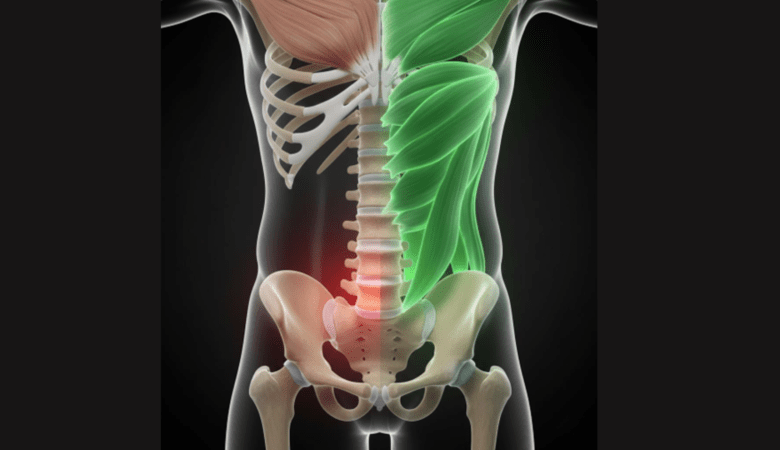
The lower back (lumbar spine) bears the brunt of your body weight and the stresses of daily activities lifting, twisting, standing, and sitting. It consists of five large vertebrae (L1-L5), cushioned by intervertebral discs, and surrounded by a complex network of muscles and ligaments.
When we talk about back pain, the problem often stems from:
1. Instability: Weakness in the core and gluteal muscles fails to stabilize the lumbar spine.
2. Immobility/Stiffness: Tightness in the hamstrings, hip flexors, or back muscles places abnormal tension on the spine.
Effective lower back pain exercises address both instability and immobility, working to restore a healthy, pain-free balance.
Causes & Symptoms: Why Movement is the Cure
Understanding the causes helps explain why targeted exercise is the most effective treatment option.
Common Causes of Back Pain
- Muscle Strain and Ligament Sprain: Often due to sudden, improper movements (like lifting) or prolonged poor posture. This is the most frequent acute cause.
- Disc Problems (Herniation): The disc bulges or ruptures, irritating the nerve root. Weak core muscles increase the load on the discs.
- Degenerative Conditions: Arthritis (Spondylosis) or spinal stenosis (narrowing of the spinal canal) develop over time, often exacerbated by lack of movement.
- Sedentary Lifestyle and Weak Core: A weak core forces the spine and its smaller muscles to take on all the stabilization work, leading to fatigue and chronic pain. Dr. Praveen Goparaju explains that a sedentary lifestyle is the most common precursor to mechanical back pain.
Common Symptoms Targeted by Lower Back Pain Exercises
The exercises listed below specifically target these frequently reported symptoms:
- Localized Stiffness and Soreness: Pain concentrated in the lower back, often worse in the morning.
- Radiating Pain (Sciatica): Pain that travels down the leg, often due to muscle tightness (like the piriformis) or mild disc irritation.
- Reduced Range of Motion: Difficulty bending forward, backward, or twisting.
When to Seek Medical Help
While lower back pain exercises are generally safe and highly recommended, there are times when self-care must stop and professional consultation is necessary.
Consult Dr. Praveen Goparaju – Spine Surgeon immediately if you experience any of the following red flag symptoms:
- Severe, debilitating pain that doesn’t improve after a week of rest and gentle stretching.
- Pain accompanied by fever, chills, or unexplained weight loss.
- New or worsening numbness or weakness in one or both legs.
- Loss of bowel or bladder control (a surgical emergency).
Diagnosis Methods and Treatment Options
A specialist will pinpoint the exact cause of your pain to tailor the best treatment option. This might involve X-rays, MRI scans (to visualize discs and nerves), and a comprehensive physical exam.
Treatment Options usually follow a stepwise approach:
1. Conservative Care: NSAIDs, rest, and gentle lower back pain exercises.
2. Physiotherapy: Structured, personalized exercise programs (often including the moves listed below).
3. Injections: Epidural steroid injections to reduce nerve root inflammation, providing a pain-free window for effective physiotherapy.
4. Surgery: Reserved for cases of severe nerve compression or instability that fail to respond to all other non-surgical treatment options.
The Best Lower Back Pain Exercises (The Core of Your Recovery)
The key to successful exercise is starting gently, listening to your body, and focusing on consistency. Expert spine surgeon Dr. Praveen Goparaju recommends dividing your routine into two parts: Stretching (for mobility) and Strengthening (for stability).
Phase 1: Gentle Stretching and Mobility Exercises
These moves should be performed slowly, without bouncing, and should never increase your centralized pain. Hold each stretch for 20-30 seconds.
- Knee-to-Chest Stretch: Lie on your back. Pull one knee up to your chest until you feel a gentle stretch in your lower back and hip. Repeat on the other side. This gently flexes the lower spine and relaxes the surrounding muscles.
- Pelvic Tilts: Lie on your back with knees bent and feet flat. Flatten your back against the floor by tightening your abdominal muscles and buttocks. Hold for 10 seconds. This is a foundational exercise for engaging the core before more vigorous moves.
- Cat-Cow Stretch: On hands and knees, gently arch your back upwards (Cat) then slowly let your belly drop (Cow). This improves spinal flexibility and warms up the back muscles.
- Piriformis Stretch: Lie on your back, cross one ankle over the opposite knee (forming a number ‘4’), and gently pull the knee toward your chest until you feel a stretch in the buttock/hip. Tightness in the piriformis muscle is a common cause of sciatica.
Phase 2: Core and Stability Lower Back Pain Exercises
Once your pain is manageable and you have good mobility, focus on strengthening your core muscles and the supporting structures. Start with 1 set of 8-10 repetitions, gradually increasing sets as strength improves.
- Bird-Dog: Start on your hands and knees. Simultaneously extend your right arm straight forward and your left leg straight back, keeping your back flat and your hips level. Return slowly and alternate sides. This is an excellent exercise for stabilizing the lumbar spine and avoiding rotation.
- Abdominal Draw-In Maneuver: Lie on your back with knees bent. Draw your belly button in toward your spine without moving your pelvis. Hold this gentle contraction for 10 seconds. This isolates the deep stabilizing muscles (Transversus Abdominis).
- Modified Plank: Start by resting on your forearms and knees (instead of toes). Keep your back straight, engaging your core and glutes. Hold for 30-60 seconds. This builds endurance in the core muscles without excessive strain on the lower back.
- Glute Bridge: Lie on your back with knees bent, feet flat. Squeeze your buttocks and lift your hips off the floor until your body forms a straight line from shoulders to knees. Hold briefly and lower slowly. Strong glutes are crucial for taking stress off the lower back.
Home Remedies / Self-Care Tips
Incorporating these practices alongside your lower back pain exercises will accelerate your recovery.
- Maintain Activity: Avoid prolonged sitting. Get up and walk for 5 minutes every hour.
- Ice and Heat: Use ice packs during acute pain flare-ups (first 48 hours) to reduce inflammation. Use heat to relax tight muscles thereafter.
- Ergonomics: Ensure your desk chair supports the natural curve of your lower back and your monitor is at eye level.
Myths vs Facts About Lower Back Pain Exercises
Myth:
- I should avoid exercise when my back hurts.
- Heavy lifting causes back pain.
- Pain means I should stop the exercise immediately.
- A strong core means doing lots of crunches.
Fact :
- Fact: Rest is necessary for acute injury, but movement (lower back pain exercises) is necessary for recovery. Prolonged rest leads to muscle atrophy and stiffness.
- Fact: Improper lifting causes back pain. When done correctly, weight training strengthens the muscles that protect your spine.
- Fact: Sharp, shooting pain (nerve pain) means stop. A tolerable ache or muscle burning is normal for strengthening exercises.
- Fact: Crunches only target superficial muscles. Deep core exercises (like Bird-Dog and planks) are essential for spinal stability.
Prevention Tips: Long-Term Spinal Health
The goal is to move from treatment option to prevention. Consistency in your lower back pain exercises and daily habits is non-negotiable for a pain-free life.
- Prioritize Core Training: Make core-stabilizing lower back pain exercises a part of your routine three to four times a week, even when you feel great.
- Practice Perfect Posture: Be mindful of your posture while sitting, standing, and driving. Use a lumbar support when necessary.
- Lift Safely: Always bend your knees, keep your back straight, and engage your core before lifting anything.
- Maintain a Healthy Weight: Excess weight, particularly around the abdomen, puts constant, excessive stress on the lumbar spine.
Conclusion: The Power of Movement
The cycle of chronic lower back pain can feel overwhelming, but the path to relief is simpler than you think: targeted movement and strengthening. By committing to these expert-recommended lower back pain exercises, you are actively treating your spine and building resilience against future injuries.
These treatment options are most effective when guided by a professional who can ensure you are addressing the specific cause of your pain. Don’t let fear keep you immobilized. Take the first step toward reclaiming your health and mobility.
Take the Next Step
If you are unsure about the best lower back pain exercises for your specific condition or if your pain is persistent, consulting a specialist is vital. Contact Dr. Praveen Goparaju – Spine Surgeon today for an accurate diagnosis and a personalized treatment plan.
