Revision surgery means operating again on a spine that has already been operated on. Scar tissue and existing implants make it more complex than a first operation, so careful planning matters.
Not everyone with pain after surgery needs another operation. The first step is to find out exactly why the problem continues.
Conditions it covers
Nerves still pressed after surgery
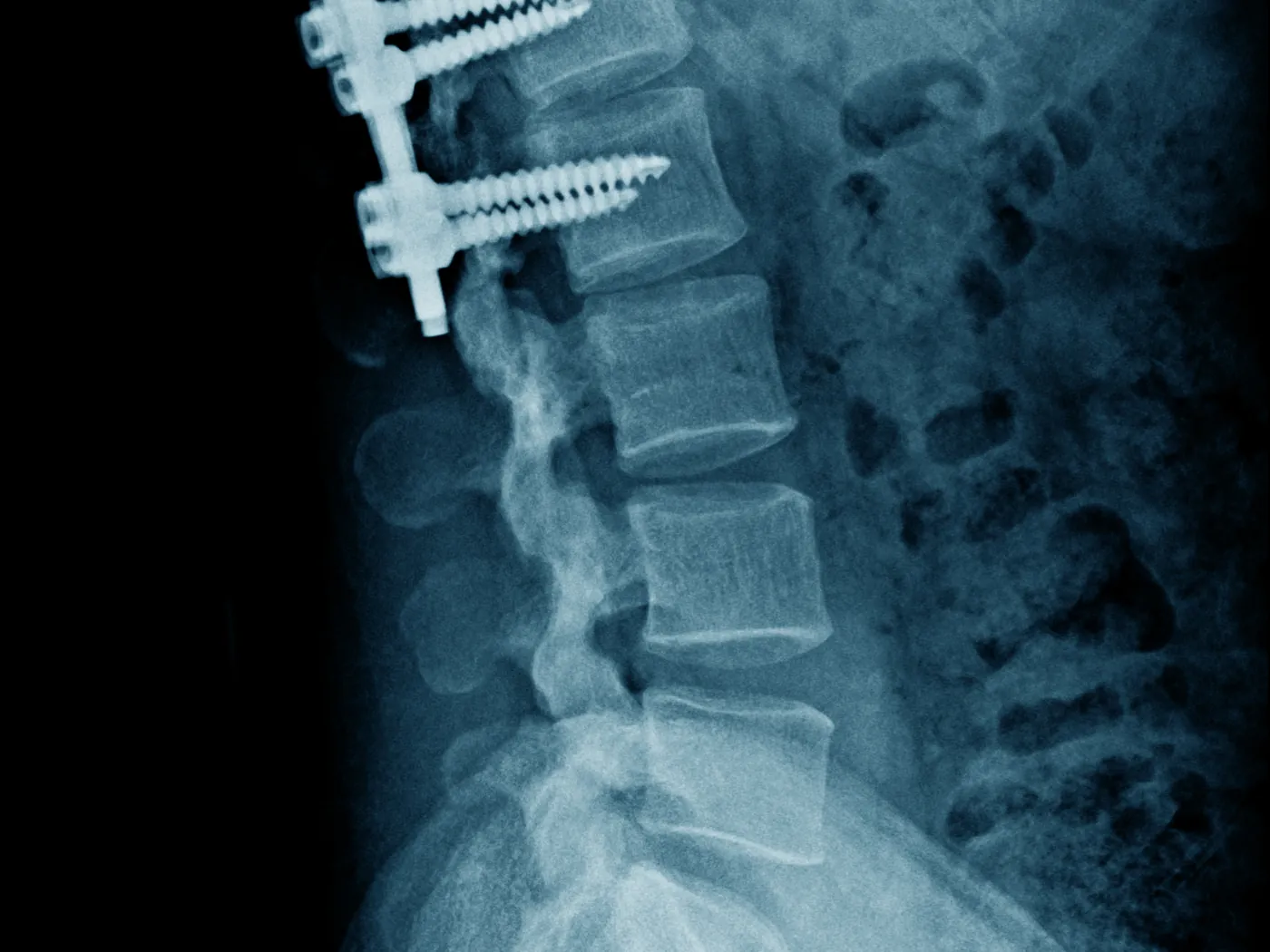
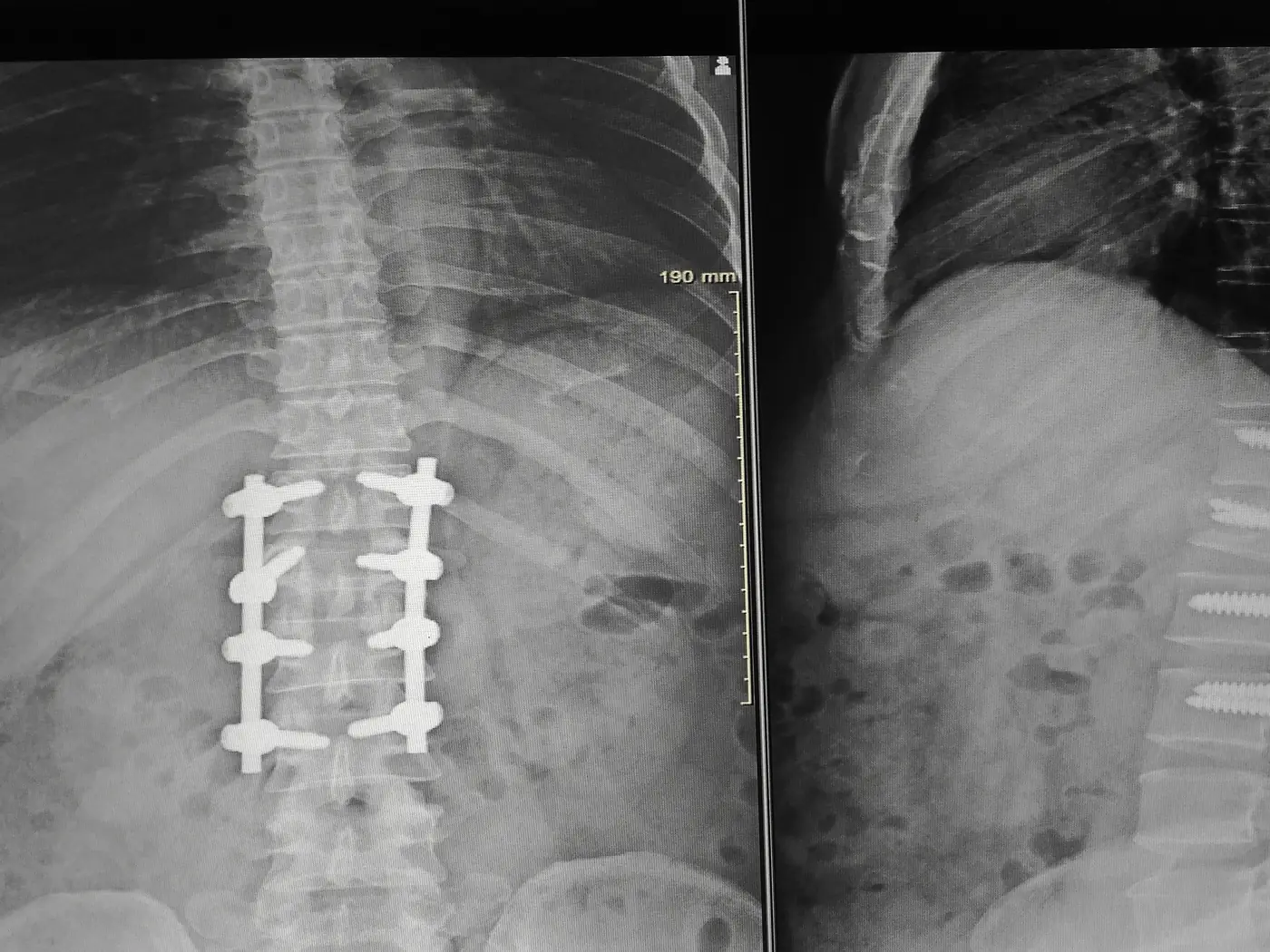
Implant loosening or breakage
Fusion that has not healed (pseudarthrosis)
Instability or deformity after surgery
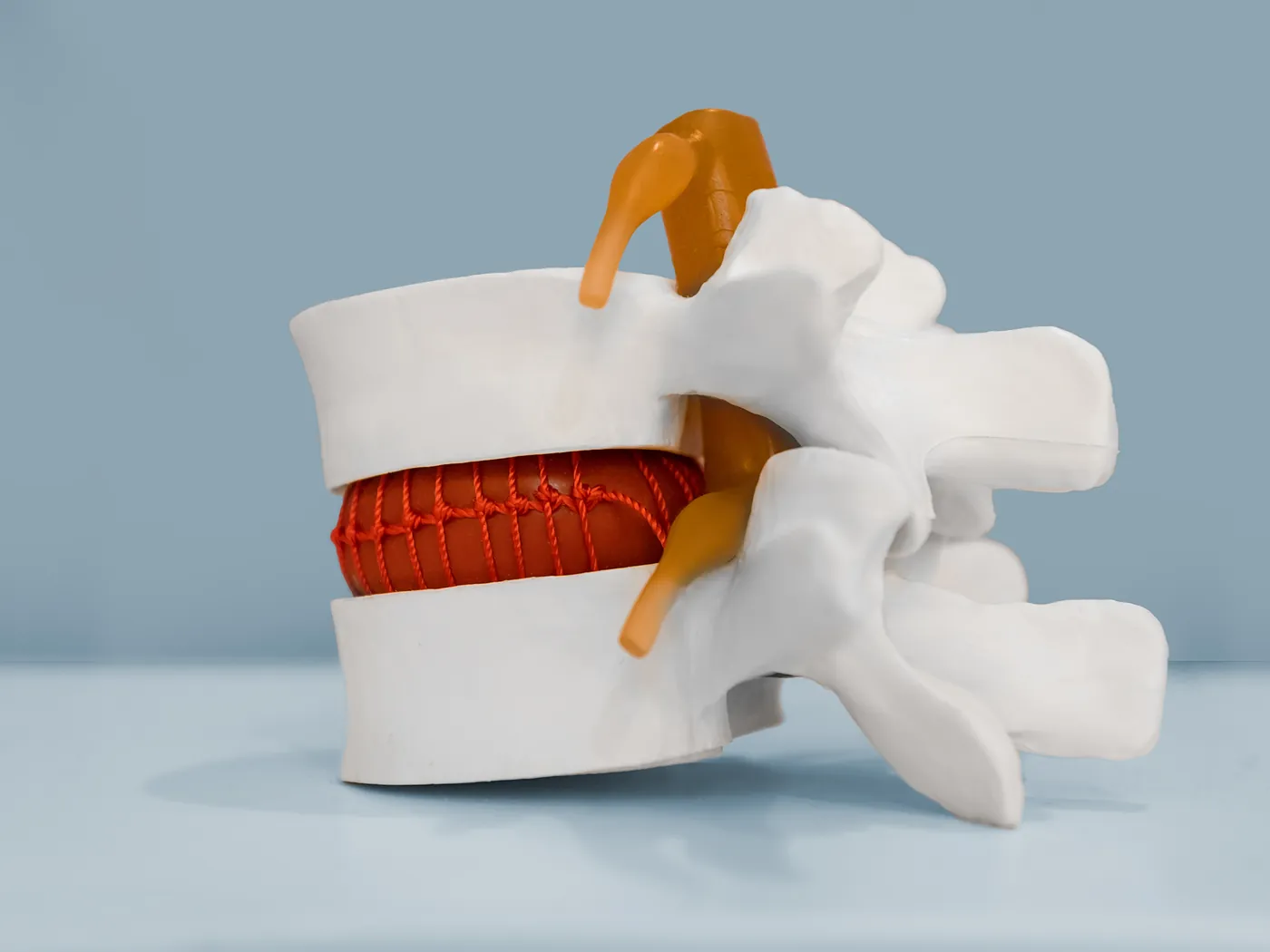
Recurrent disc herniation
Infection after surgery
02
Is this for you?
You may benefit from an assessment if you have:
Pain that continued or returned after spine surgery
New leg or arm pain, numbness or weakness
A feeling of instability
Wound or infection problems after surgery
03
How it is assessed
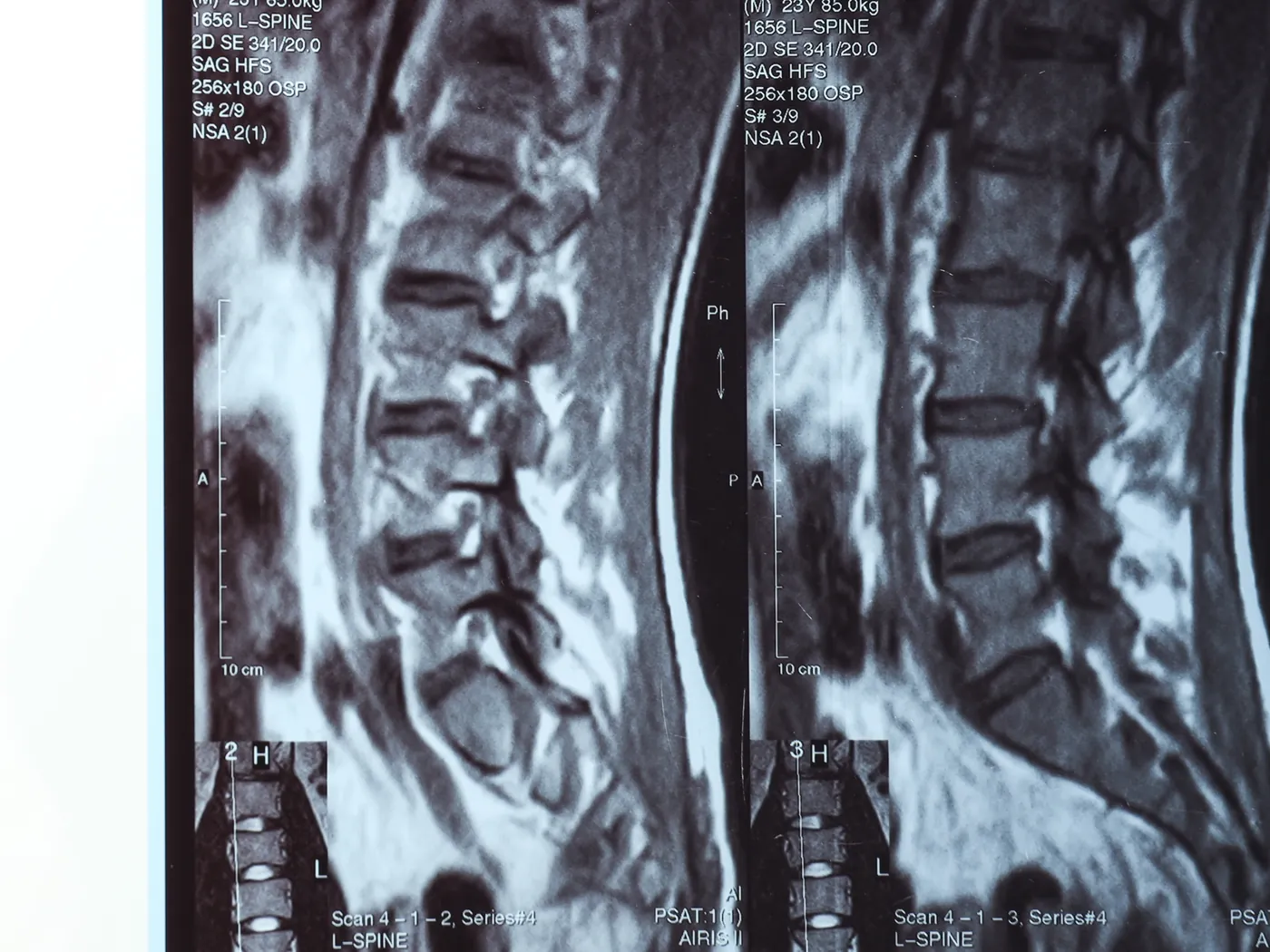
A review of your earlier surgery records and scans, an examination, and MRI, CT and X-rays to find the exact cause before any decision.
Review of earlier surgery records
MRI, CT and X-rays
Blood tests when infection is suspected
04
Treatment options
Non-surgical options come first. Surgery is advised only when it is likely to help.
Non-surgicalTargeted non-surgical careSome problems settle with medicines, physiotherapy or injections.
SurgicalRe-decompressionFreeing nerves or the spinal cord that are still under pressure.
SurgicalImplant removal or replacementWhen screws or rods have loosened or broken.
SurgicalRe-fusion with bone graftWhen an earlier fusion has not healed.
SurgicalCorrection of deformityWhen the spine has lost its alignment after surgery.
05
Recovery
After treatment, the team builds a recovery plan around you.
1Personalised physiotherapy
2Pain relief
3Strengthening
4Close follow-up
06
Why Dr. Praveen
MBBS, M.S. Orthopaedics (NIMS) and four spine fellowships: FASSI (Mumbai), FMISSAB (Chennai), FAO (New Delhi), FAPSS (Malaysia).
12+ years in spine surgery; consults at CARE Hospitals, HITEC City and DIA Clinics, Kokapet.
Honest advice first: non-surgical care is tried whenever it can help, and surgery is advised only when it is likely to help.
Uses intraoperative neuromonitoring and navigation in spine surgery, where suitable, to protect the nerves and place implants accurately.
07
Questions
Do I need surgery again if my pain came back?
Not necessarily. The cause must be found first. Some problems are treated without another operation.
Why is revision surgery more complex?
Scar tissue and existing implants change the anatomy, so the operation needs careful planning and experience.
What should I bring to the consultation?
Your earlier operation notes, discharge summary and all scans (MRI, CT and X-ray), before and after the first surgery.

 05
 03
 11